
Scott Seaman Discusses Insurers' Steps to Limit Exposures in California and Florida Homeowner Insurance Markets
Insights for Insurers Alert | 2 min read
Jul 19, 2023
The increased frequency and severity of weather events have been felt globally, but California, Louisiana, and Florida are among the U.S. states that have been hit particularly hard. In response, three of the four biggest insurers in California have taken steps to limit their exposure in the homeowner's insurance market. State Farm and Allstate have stopped writing new homeowner policies in California, and Farmers Insurance announced that it would limit the number of homeowner's policies it writes in California.
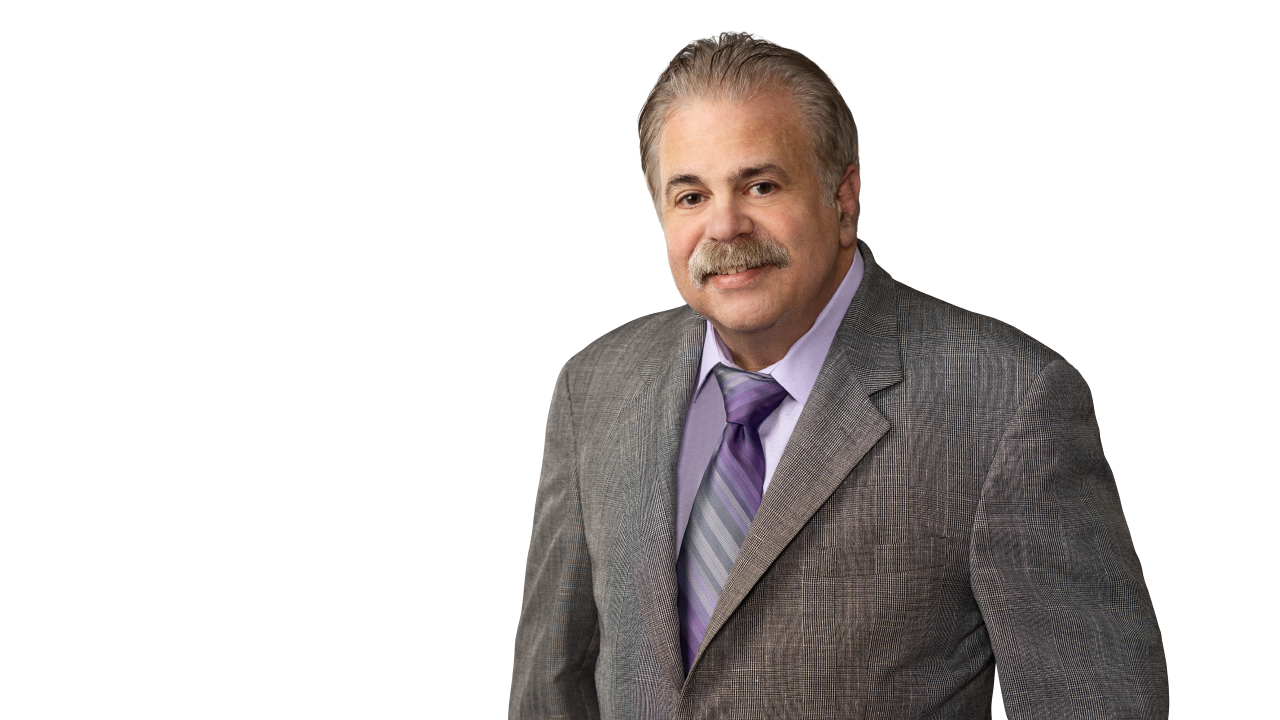
Law360's Eli Flesch, in a July 11, 2023 article entitled, "Farmers Insurance Pressures Regulators In Hard Calif. Market" quoted me on these developments:
It comes down to the fundamental reality that insurers must be able to contain their exposures… Without the ability to adequately adjust rates, more insurers may have to pull out. Reinsurers, like insurers, are also concerned with droughts, wildfires, floods, and these various factors impact the costs and availability of reinsurance.
Read the full article (subscription required)
I would further note the fundamental reality that insurers must be able to contain their exposures. There are a variety of ways that insurers do this, including cogent underwriting of policyholders and risks; charging adequate premiums; capping their limits of liability in particular policies and, more broadly, in the volume and types of policies they write; through the terms, conditions, and exclusions in their policies; and obtaining reinsurance.
When you see two major insurers no longer willing to write a line of coverage they have written for a long time in a market the size of California and another significantly limiting what they are writing, you know something is out of whack.
The American Property Casualty Insurance Association attributes the problem to insurers being unable to charge adequate premiums. The association advocates reform to Proposition 103, adopted by voters in 1988, which currently requires insurers to get prior approval from the California Department of Insurance before changing rates. Writing insurance without obtaining adequate premiums is unsustainable.
However, there is a lot more at play in California and throughout the country. Insurers are staring down the dangerous triple threat of economic inflation, social inflation, and greenflation. The United States experienced record inflation last year, which, even cut in half in 2023, is still high and has produced higher interest rates. We have a workforce shortage and supply interruptions. All of this increases construction costs, replacement costs, and claims costs. It now may be decreasing the availability of insurance.
Social inflation and the civil justice system, in many respects, are out of control. With reptilian tactics by plaintiffs' lawyers, decisions of some judges and legislatures expanding tort liability and insurer extra-contractual liability, and the impact of other societal changes and litigation proclivities, we are also seeing an increase in nuclear verdicts. Homeowners want to obtain insurance at reasonable costs; that is how they obtain a measure of security. Insurers want to sell insurance to willing buyers at reasonable prices; that is how they make money.
Turning to Florida, Farmers also has sought to limit its exposure by discontinuing issuing policies in that state. This follows on the heels of seven insurer insolvencies over the past year. Citizen's Insurance, Florida's insurer of last resort, has been underfunded.
Significant tort and insurance reform has been enacted in the past couple of Florida State legislative sessions. The initial impact of the reform saw an avalanche of new lawsuits filed earlier in the year ahead of the legislation's effective date. Florida Governor Ron DeSantis has stated that he believes that this reform will result in insurers committing to issuing more insurance in Florida. He is also hoping for a summer without significant weather-related events.
Related People
Related Capabilities
Featured Insights


Press Release
Oct 9, 2026
Adam Topel Appointed Chair-Elect of the ABA’s TIPS Appellate Advocacy Committee

Press Release
Oct 8, 2026
Technology Service Corporation Closes on Acquisition by Blackstone-Backed Purchaser




Press Release
Oct 9, 2026
Adam Topel Appointed Chair-Elect of the ABA’s TIPS Appellate Advocacy Committee
Press Release
Oct 8, 2026
Technology Service Corporation Closes on Acquisition by Blackstone-Backed Purchaser

Employment Law Observer
Oct 8, 2026
“We Didn’t Know” is No Longer an Employer Defense for Religious Accommodation Claims Under Title VII

In The News
Oct 8, 2026
Lucy Wang Analyzes What Insurers Need to Know About Two New California Laws

Lawyers' Lawyer Newsletter
Oct 8, 2026
The Rise of Management Service Organizations: How Lawyers and Lawmakers are Responding

In The News
Oct 7, 2026
Scott Seaman Discusses Google’s Coverage Battle Over Social Media Addiction Claims

Consumer Crossroads: Where Financial Services and Litigation Intersect
Oct 6, 2026
Mixed Messages Ongoing as Courts Disagree Whether Texts Constitute “Calls” Under the TCPA

