
Law360 Calls Upon Scott Seaman To Discuss Insurance Cases To Watch In 2020
In The News | 2 min read
Jan 10, 2020
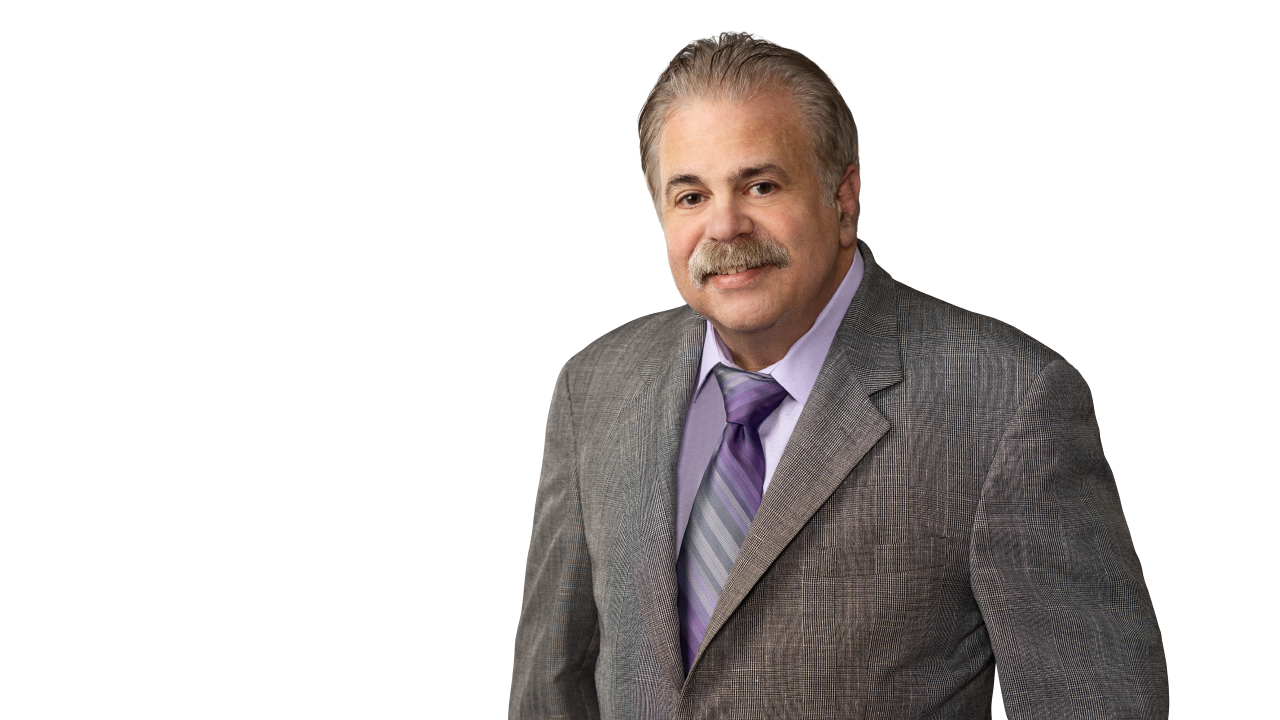
Hinshaw attorney Scott Seaman, a Chicago-based partner and co-chair of the firm's national Insurance Services Practice Group, was quoted by Jeff Sistrunk of Law360 in an article entitled "Insurance Cases To Watch In 2020.” The article discusses key insurance coverage decisions expected in 2020.
One of those decisions is Montrose v. Superior Court in which the California Supreme Court is expected to decide whether former pesticide manufacturer Montrose Chemical Corp. of California must deplete all of its lower-level policies before it can tap into valuable excess policies to cover environmental damage claims, and the court's answer could dictate how quickly policyholders can access large insurance limits to cover multimillion-dollar pollution cleanup efforts.
Seaman pointed out the California appellate panel got it right when it said a policy-by-policy analysis is required because “contract language should be enforced, not ignored in the name of expediency or achieving a particular result.” The matter is set for decision by the California high court this year.
In Lubrizol v. National Union, the Ohio Supreme Court will have the opportunity to decide whether the change in policy language from “all sums” to “those sums” warrants departure from its policyholder friendly “all sums” allocation approach in its 2002 decision in the Goodyear Tire case. Seaman shared his insights on that issue and perspective on the state of allocation across the country.
Excerpts:
Seaman said the Lubrizol case and the Montrose matter before the California Supreme Court are both part of what he deemed Phase 4 of the decades long ‘allocation wars’ between insurers and manufacturers seeking coverage for claims spanning multiple years. Those battles have played out in courts across the nation.
In this stage, we often see one side or the other ask a court to drill down more deeply and look beyond general trigger, allocation and exhaustion pronouncements and to look to specific policy language that impacts or should alter such general pronouncements or default rules, he said.
In Lubrizol’s case, Seaman asserted, the language of National Union’s policies mandates a different outcome from the Ohio Supreme Court's Goodyear ruling.
Accordingly, the insurer rightfully argues that the different language requires a different result and that notions of sound public policy, equity and judicial economy actually are subserved by a pro rata allocation, he said.
Read the full article on the Law360 website (subscription may be required).
Related People
Related Capabilities
Related Locations
Featured Insights

Press Release
Oct 9, 2026
Adam Topel Appointed Chair-Elect of the ABA’s TIPS Appellate Advocacy Committee

Press Release
Oct 8, 2026
Technology Service Corporation Closes on Acquisition by Blackstone-Backed Purchaser




Press Release
Oct 9, 2026
Adam Topel Appointed Chair-Elect of the ABA’s TIPS Appellate Advocacy Committee
Press Release
Oct 8, 2026
Technology Service Corporation Closes on Acquisition by Blackstone-Backed Purchaser

Employment Law Observer
Oct 8, 2026
“We Didn’t Know” is No Longer an Employer Defense for Religious Accommodation Claims Under Title VII

In The News
Oct 8, 2026
Lucy Wang Analyzes What Insurers Need to Know About Two New California Laws

Lawyers' Lawyer Newsletter
Oct 8, 2026
The Rise of Management Service Organizations: How Lawyers and Lawmakers are Responding

In The News
Oct 7, 2026
Scott Seaman Discusses Google’s Coverage Battle Over Social Media Addiction Claims

Consumer Crossroads: Where Financial Services and Litigation Intersect
Oct 6, 2026
Mixed Messages Ongoing as Courts Disagree Whether Texts Constitute “Calls” Under the TCPA

