
California Court Expands Going and Coming Rule
2 min read
Jan 12, 2015
Craig Schultz was a drafter for a civilian company that had several buildings located on a large U.S. Air Force base. He drove his personal vehicle onto the base and was permitted to travel around the base and use military vehicles in light of his employment with the civilian company. While driving to work one morning, and while on base, he suffered symptoms of his diabetes, which led to him flipping his car and sustaining severe injuries. Schultz filed a workers' compensation claim seeking benefits because his injury occurred on his employer's premises, and thus, he claimed he was injured in the course of his employment. California Court Expands Going and Coming Rule
In his trial brief, he argued that the going and coming rule did not preclude liability because he was required to use his personal vehicle as a condition of employment, or alternatively, as an accommodation to the employer. The employer argued the accident occurred before work started, and while it was at a location within the base, it was still seven miles away from the building at which Schultz worked. After post-trial briefing, the judge ruled in favor of Schultz. The employer sought reconsideration, and the Workers Compensation Appeals Board (WCAB) granted this request, reversing the decision of the trial judge. Schultz accordingly petitioned the California Court of Appeals for review of this decision in Schultz v. Workers' Compensation Appeals Board, No. B255678 (Ca. Ct. of Appeal, January 6, 2015).
On appeal, the Court first looked at the "going and coming rule" – a rule which precludes compensation for injuries suffered during the course of a local commute to a fixed place of business at fixed hours in the absence of exceptional circumstances. Here, although Schultz was assigned to a particular building on the base, he often worked at other locations around the base. The base is a secure location and access was controlled. As a result, the Court reasoned that Schultz was on the premises of his employer once he entered the base and his injury, therefore occurred during the course of that employment for purposes of workers' compensation law.
In sum, the Court held that
…the premises line rule applies to an employee injured in a single-car traffic accident where (1) the employee was a civilian working on a secure United States Air Force base not generally open to the public, (2) the employee entered the base in his personal vehicle after passing a guard gate using a security pass issued by his employer with the approval of the Air Force, (3) the employee had travelled one mile inside the base when the accident occurred, and (4) the undisputed evidence established although the employee worked out of a fixed location, the employer had multiple locations on the Air Force base and the employee travelled sometimes in his own vehicle, as needed, throughout the base to perform work assigned by his employer.
As a result, the Court invalidated the WCAB's prior determination in which Schultz was denied benefits.
Employers with employees who work at controlled access locations, or on large properties should be mindful of this decision. California employers could, under similar circumstances, incur liability for workers who are injured on such property, even if they are in the act of going or coming to work
Featured Insights

Consumer Crossroads: Where Financial Services and Litigation Intersect
Oct 15, 2026
OCC Releases Debanking Report on Largest Banks; CFPB Announces Follow-On Initiative

Consumer Crossroads: Where Financial Services and Litigation Intersect
Oct 15, 2026
OCC Releases Debanking Report on Largest Banks; CFPB Announces Follow-On Initiative
In The News
Oct 14, 2026
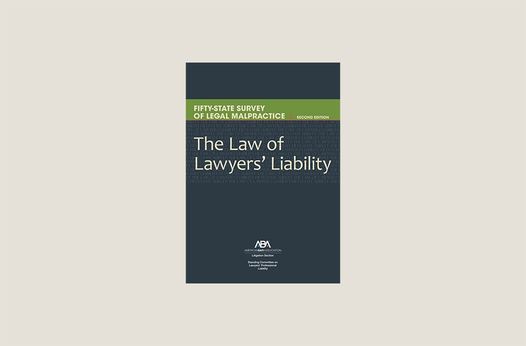
Hinshaw Attorneys Contribute Rhode Island Chapter in ABA Legal Malpractice Survey

Privacy, Cyber & AI Decoded Alert
Oct 13, 2026
California’s SB 690 Removes Some CIPA Claims, But Privacy and Legal Risks Remain
Press Release
Oct 12, 2026
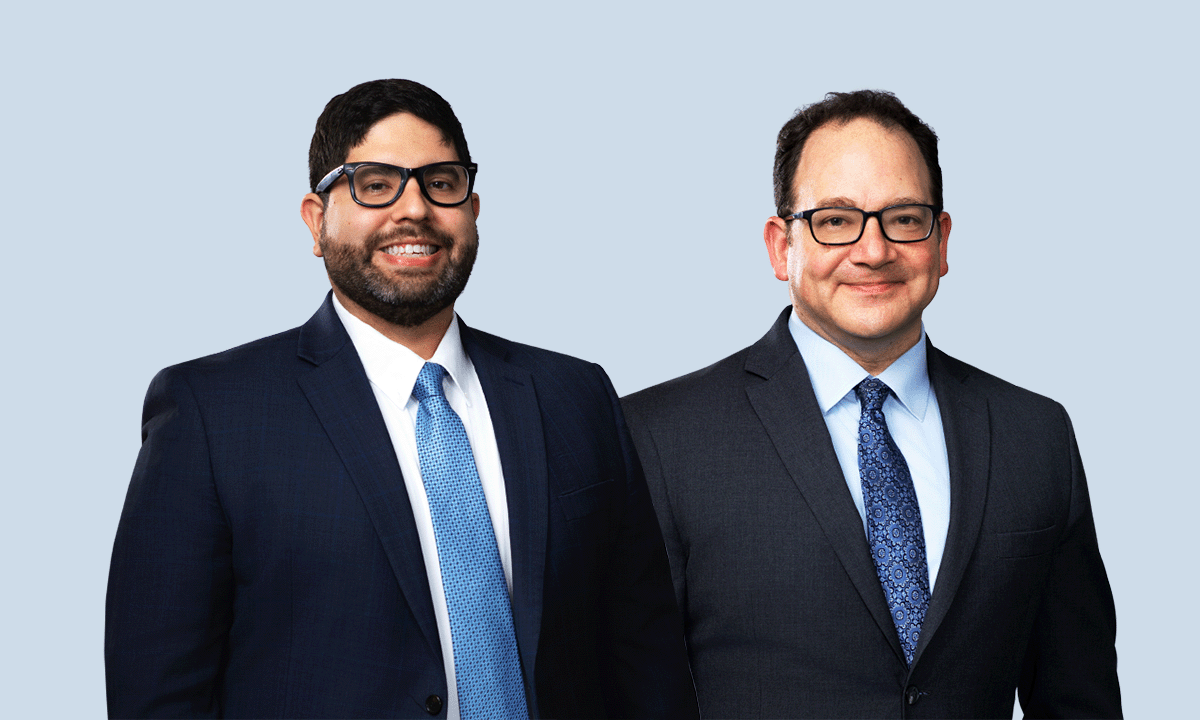
Two Hinshaw Partners Reappointed to the NYC Bar Association’s Consumer Affairs Committee

Press Release
Oct 9, 2026
Adam Topel Appointed Chair-Elect of the ABA’s TIPS Appellate Advocacy Committee

Press Release
Oct 8, 2026
Technology Service Corporation Closes on Acquisition by Blackstone-Backed Purchaser

Employment Law Observer
Oct 8, 2026
“We Didn’t Know” is No Longer an Employer Defense for Religious Accommodation Claims Under Title VII

