
South Carolina Supreme Court Introduces "Continuum" Approach for "Occurrence"
Insurance Coverage Alert
Insights for Insurers Alert | 1 min read
Oct 4, 2013
Last week, in Auto-Owners Ins. Co. v. Rhodes, the South Carolina Supreme Court ruled that an “occurrence” can include subsequent events, so long as they were in some fashion caused by the initial accident. In that case, the insured constructed three billboards. One billboard fell onto the adjoining interstate and also damaged the owner’s land. As a result, the transportation department ordered the landowner to remove the remaining billboards, which were not damaged in any way. At issue was whether the removal of the two undamaged billboards was also an “occurrence” and otherwise covered, including the resulting economic damages.
Using an expansive “but for” test, the Court held that the transportation department would not have required that the billboards be removed without the initial occurrence. Specifically, the Court held that “we view the fallen sign and the removal of the remaining two signs under a continuum of an ‘occurrence,’ as this is analogous to the CGL cases involving ‘continuous or repeated exposure to substantially the same general harmful conditions.’” The Court also treated all three events as one occurrence, reasoning that they were simultaneously constructed. Despite its analysis, the Court refused to comment on whether there was “property damage” for the two undamaged signs.
Featured Insights
Press Release
Sep 18, 2026
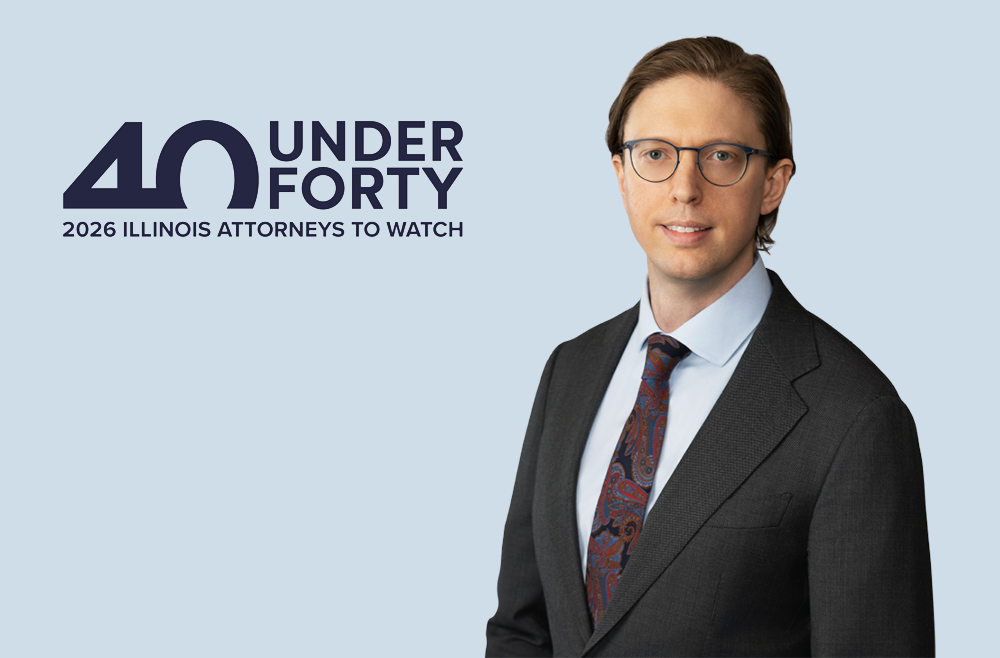
Paris Glazer Named to Chicago Daily Law Bulletin’s 2026 40 Attorneys Under Forty

Consumer Crossroads: Where Financial Services and Litigation Intersect
Sep 17, 2026
Federal and State Regulators Continue Crackdown on Junk Fees

Press Release
Sep 17, 2026
Defense Verdict Reduces $134 Million Demand to $2 Million in Catastrophic Motorcycle Injury Case

Press Release
Sep 18, 2026
Paris Glazer Named to Chicago Daily Law Bulletin’s 2026 40 Attorneys Under Forty
Consumer Crossroads: Where Financial Services and Litigation Intersect
Sep 17, 2026
Federal and State Regulators Continue Crackdown on Junk Fees
Press Release
Sep 17, 2026
Defense Verdict Reduces $134 Million Demand to $2 Million in Catastrophic Motorcycle Injury Case
Insights for Insurers Alert
Sep 16, 2026
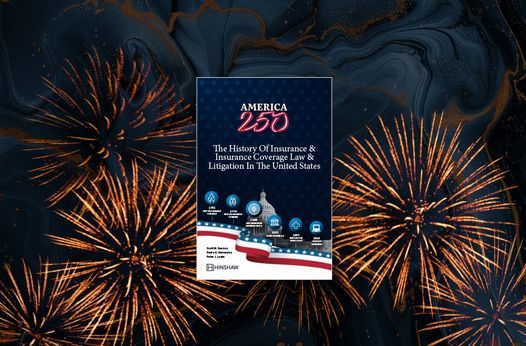
America 250: The Nation’s Unique Contributions to Insurance Coverage Law and Litigation
In The News
Sep 15, 2026
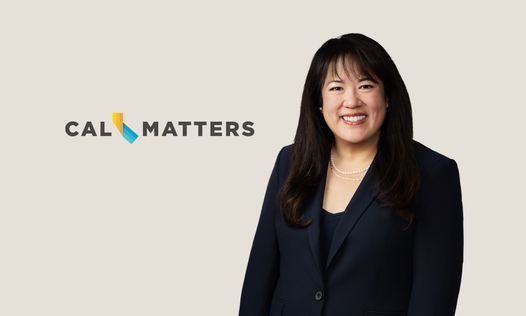
Lucy Wang Discusses the California Insurance Commissioner’s Role in Protecting Consumers

Press Release
Sep 10, 2026
Hinshaw Attorneys Recognized as 2027 Lexology Index Thought Leaders: USA
In The News
Sep 10, 2026
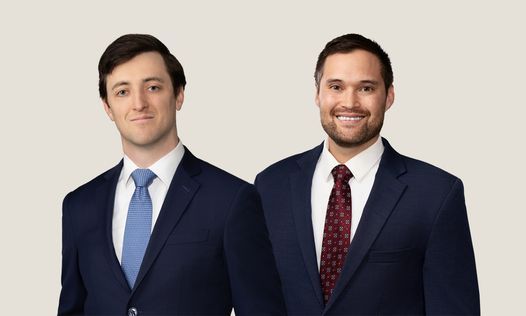
Nicholas Ajello and Gregory Emry Analyze FAA’s Proposed BVLOS Drone Regulations

Consumer Crossroads: Where Financial Services and Litigation Intersect
Sep 9, 2026
“Play Now, Arbitrate Later”—“Not So Fast,” Ninth Circuit Says

In The News
Sep 9, 2026
Jennifer Driscoll Discusses “Patchwork” of Laws Targeting Personalized Pricing

Employment Law Observer
Sep 8, 2026
Five Workplace Issues Every Employer Should Address Before They Become a Costly Lawsuit

Press Release
Sep 8, 2026
Jim Sandy Appointed Chair of ABA Debt Collection and Bankruptcy Subcommittee

