SCOTUS Will Not Review Challenge to New York's "In-State" Office Requirement for Practicing Lawyers
In The News | 2 min read
Apr 18, 2017
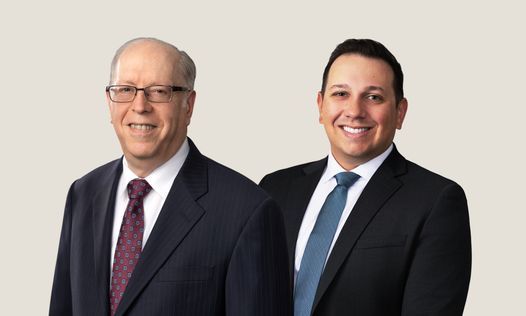
Anthony Davis reacted to news yesterday that the U.S. Supreme Court will not review a constitutional challenge to New York's requirement that nonresident members of the New York bar maintain a physical office for business within the state. Davis, along with Joel Bertocchi and Ron Minkoff and Tyler Maulsby of Frankfurt Kurnit, had submitted an amicus brief on behalf of the Association of Professional Responsibility Lawyers (APRL) in support of the constitutional challenge to New York Judiciary Law §470.
Davis spoke to Charles Toutant and Marcia Coyle of the New York Law Journal, in an article titled "SCOTUS Rejects Challenge to NY Law Requiring In-State Office." Davis said he was disappointed but not surprised by Monday's decision. "It's bad for the profession and the public to have rules governing the legal profession that make no rational sense in 2017," he said. "Inconsistent treatment of lawyers who are equally entitled to practice law, based on where they live, is bad for everybody—it reduces client choice."
Next steps for advocates for a change to §470 "are going to have to get the Legislature to change the statute, which I think is unlikely to happen in isolation, unless and until the Judiciary Law as a whole is next reviewed," Davis said.
Finally, Davis noted that removal of New York's barrier to outside lawyers would mean "the universe of lawyers available for clients to engage would be greater, thereby enlarging access to legal services, which might even reduce the cost of at least some kinds of legal services."
"Scotus Reject Challenge to NY Law Requiring In-State Office" was published by The New York Law Journal, April 17, 2017. Subscription required
Postscript: Anthony Davis recently co-authored an article in the Winter 2017 edition of Georgetown Journal of Legal Ethics titled "Reforming Lawyer Mobility — Protecting Turf or Serving Clients?" which advocates for a fundamental change to current rules regarding multijurisdictional practice by licensed lawyers. Drawing on lessons from Australia and Canada, the authors offer a proposal for the recognition of rights of practice of all American lawyers engaged in federal or interstate matters in all American jurisdictions.
You can download a PDF copy of the article.
Featured Insights

Lawyers' Lawyer Newsletter
Nov 19, 2026
Private Capital and Professional Independence: MSOs and the Changing Business of Law

In The News
Nov 18, 2026
William Schubert: Why Client Confidentiality Reigns Supreme for Motions to Withdraw
In The News
Nov 18, 2026
[Byline] Revisiting Disparate Impact Liability Under Executive Order 14281
Lawyers' Lawyer Newsletter
Nov 19, 2026
Private Capital and Professional Independence: MSOs and the Changing Business of Law
In The News
Nov 18, 2026
William Schubert: Why Client Confidentiality Reigns Supreme for Motions to Withdraw
In The News
Nov 18, 2026
[Byline] Revisiting Disparate Impact Liability Under Executive Order 14281

In The News
Nov 17, 2026
Justin Penn Examines FCRA Trends Involving “Legal vs. Factual Inaccuracy” Defense
Consumer Crossroads: Where Financial Services and Litigation Intersect
Nov 16, 2026
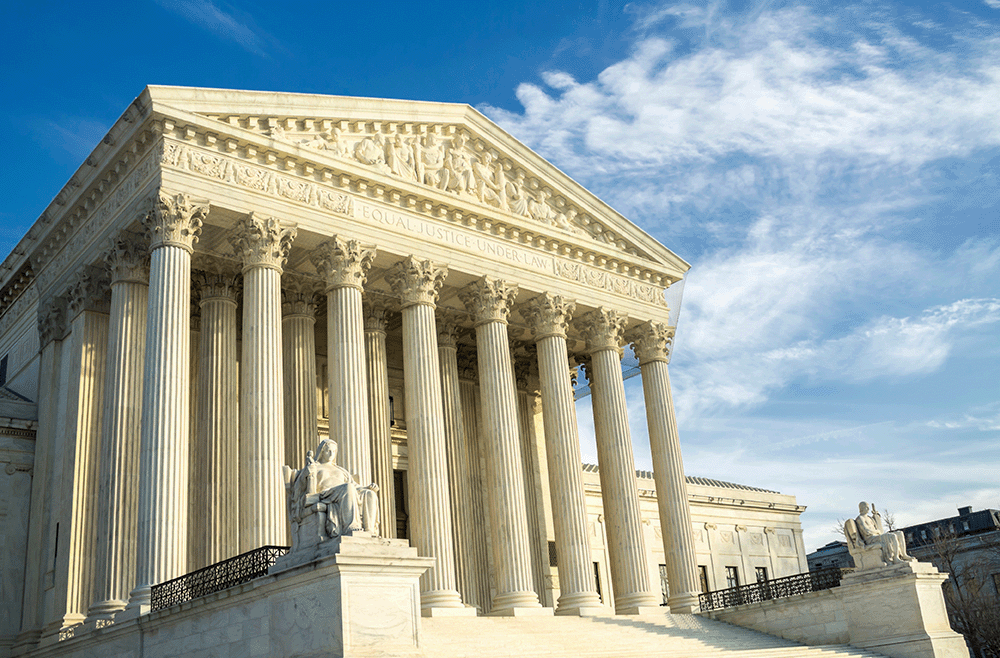
SCOTUS to Decide: Are Bankruptcy Stay Violations Arbitrable?

Press Release
Nov 13, 2026
Hinshaw Advises Client Safe Harbor Capital Partners in $44 Million Financing

Event
Nov 13, 2026

In The News
Nov 12, 2026
Spencer Kook Authors Article Providing a Claims Manager’s Guide to Class Action Exposure

In The News
Nov 12, 2026
Mitch Chargo Discusses Cannabis M&A Implications in a Post-Rescheduling Landscape

Webinar
Nov 12, 2026
Michael Adams Presents on Navigating Ethics in the Digital Age

Event
Nov 12, 2026
Cathy Mulrow-Peattie Discusses AI and Supply Chain Cybersecurity

Healthcare Alert
Nov 11, 2026
Illinois Enacts 340B Contract Pharmacy Protections: 7 Steps Covered Entities Should Take