
Craig Liljestrand CDLB Column: Wisconsin Supreme Court Rules 'Fraudulent Transaction' Exception to Successor Nonliability Not Governed by Wisconsin Uniform Fraudulent Transfer Act
In The News | 1 min read
Jun 18, 2018
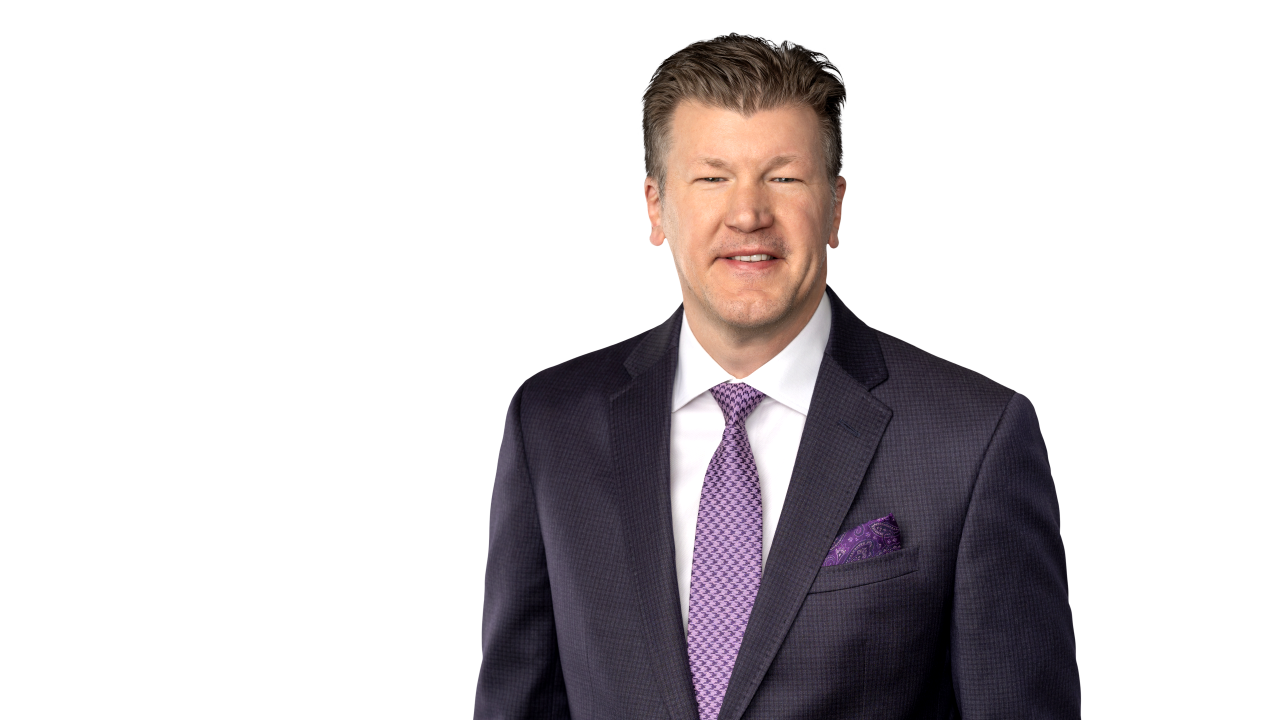
Hinshaw partner Craig Liljestrand has published his latest Chicago Daily Law Bulletin column titled "Push for successor liability comes with too little facts in asbestos case." The article analyzes the case of Springer v. Nohl Electric Products Corp., 2018 Wisc. LEXIS 227, where the Wisconsin Supreme Court considered whether the "fraudulent transaction" exception to successor nonliability was governed by the Wisconsin Uniform Fraudulent Transfer Act.
As described by Liljestrand, the common law principle of successor nonliability provides that a purchasing corporation does not succeed to the liabilities of the selling corporation. The court here ruled that the Wisconsin fraud act does not supplant the common-law fraudulent transaction exception, citing as authority the 1981 U.S. v. Bestfoods U.S. Supreme Court decision.
Read "Push for successor liability comes with too little facts in asbestos case" (PDF)
You can also read "Push for successor liability comes with too little facts in asbestos case," on the Chicago Daily Law Bulletin website (subscription required)
Related People
Related Capabilities
Related Locations
Featured Insights

Employment Law Observer
Oct 8, 2026
“We Didn’t Know” is No Longer an Employer Defense for Religious Accommodation Claims Under Title VII


In The News
Oct 8, 2026
Lucy Wang Analyzes What Insurers Need to Know About Two New California Laws



Employment Law Observer
Oct 8, 2026
“We Didn’t Know” is No Longer an Employer Defense for Religious Accommodation Claims Under Title VII
In The News
Oct 8, 2026
Lucy Wang Analyzes What Insurers Need to Know About Two New California Laws

Lawyers' Lawyer Newsletter
Oct 8, 2026
The Rise of Management Service Organizations: How Lawyers and Lawmakers are Responding

In The News
Oct 7, 2026
Scott Seaman Discusses Google’s Coverage Battle Over Social Media Addiction Claims

Consumer Crossroads: Where Financial Services and Litigation Intersect
Oct 6, 2026
Mixed Messages Ongoing as Courts Disagree Whether Texts Constitute “Calls” Under the TCPA
Press Release
Oct 5, 2026
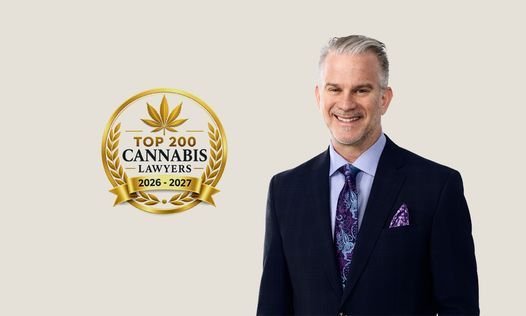
Mitchel Chargo Selected to the Seventh Edition of the Global Top 200 Cannabis Lawyers Directory

Consumer Crossroads: Where Financial Services and Litigation Intersect
Oct 2, 2026
Expansive New Commercial Financing Licensing Requirement Signed into Law in California

In The News
Oct 2, 2026
Spencer Kook Explores How AI is Reshaping the Insurance Workforce

