
How the Opioid Crisis affects your Estate Planning
Hinshaw Alert | 2 min read
Jul 19, 2018
There is a growing epidemic of addiction to painkillers, prescription and illegal drugs, resulting in many daily deaths from accidental drug overdoses. Here are some of the most common issues associated with opioid and other addictions in the preparation and implementation of client estate plans, wealth preservation and asset protection.
I. Identification
It can be difficult to identify when an individual may be using and/or abusing prescription or illegal drugs, and suffering from substance abuse or an addiction. These conditions place stress and strain on the family unit, and involve emotional and financial issues which, in many cases, flare up into conflict and even violent behavior.
II. Beneficiary
If an individual suffering from addiction is to receive outright a share of an estate when a family member dies, it would be wise to consider placing the property in trust for that affected individual and having the assets managed by a capable independent individual or a professional trustee, such as a bank or trust company. Another option could be a complete disinheritance of the affected individual, but most parents and others don't want to take this drastic step as they would like to have assets available for treatment of the problem and rehabilitation of the person.
III. Fostering Good Family Relations
Frequently, siblings of an affected individual harbor resentment or lack empathy for the addiction problem, including its destructive power. In many family situations, depending on the personalities and dynamics, it is a mistake to insert siblings of the addicted individual in the fiduciary position of trustee to manage income, money and assets for such person's benefit. It puts them in the confrontational position of having to always say "no" in response to a request for funds, and it negatively affects family dynamics and relations. The use of corporate fiduciaries should be considered as they are professionals and can appropriately say "no" when the estate planning documents are properly drafted to support these decisions, while still making available income and principal to be used for treatment of the problem and rehabilitation of the person.
IV. Fiduciary
If an addicted individual is also named to serve as a trustee, co-trustee or other fiduciary, or as a successor fiduciary, the estate planning documents should have appropriate protections to prevent such addicted person from serving as a fiduciary of a trust for his or her benefit or on behalf of other family members.
V. Trust Protector
Under applicable law, one or more individuals can be appointed to serve as a "protector" of the trust. This should be an independent person who could remove the addicted trustee, or otherwise appropriately intervene for the benefit of the trust and the affected person's protection.
These complicated and difficult estate planning decisions cannot be made in a vacuum, and should be thoroughly discussed, with all planning options made available. This is especially important where trusts can now last for a very long period of time, such as the lifetime of the affected individual, or in perpetuity if it is a generation-skipping or dynasty trust.
Please contact Marcia Mueller, or your regular Hinshaw attorney to learn more about how our firm's experience can help your family and loved ones with their estate plan and tax matters.
This alert was featured in the Second Quarter 2018 edition of our Estate Planning Newsletter.
Related People
Related Capabilities
Featured Insights

In The News
Oct 21, 2026
Scott Seaman Says Walmart Ruling is an "Aberration" in the Opioid Insurance Battle

Event
October 21 – 23, 2026
D.L. Morriss Presents on International Banking Litigation and AI Regulation

Press Release
Oct 20, 2026
Seasoned Litigator Joins Hinshaw's Aviation and Aerospace Team in Chicago



In The News
Oct 21, 2026
Scott Seaman Says Walmart Ruling is an "Aberration" in the Opioid Insurance Battle
Event
October 21 – 23, 2026
D.L. Morriss Presents on International Banking Litigation and AI Regulation
Press Release
Oct 20, 2026
Seasoned Litigator Joins Hinshaw's Aviation and Aerospace Team in Chicago

Consumer Crossroads: Where Financial Services and Litigation Intersect
Oct 19, 2026
Refile, Repeat: Ohio’s Savings Statute Allows for Unlimited Bites of a Time-Barred Claim

Consumer Crossroads: Where Financial Services and Litigation Intersect
Oct 16, 2026
Key Takeaways from the 2026 ACVL Conference for the Auto Finance Industry

Press Release
Oct 16, 2026
Nia Binns Re-Appointed Health and Wellness Committee Co-Chair of the BWLA

In The News
Oct 16, 2026
Jennifer Driscoll Explains How Bond Request Spurred AG Settlement in Paramount Merger

Consumer Crossroads: Where Financial Services and Litigation Intersect
Oct 15, 2026
OCC Releases Debanking Report on Largest Banks; CFPB Announces Follow-On Initiative
In The News
Oct 14, 2026
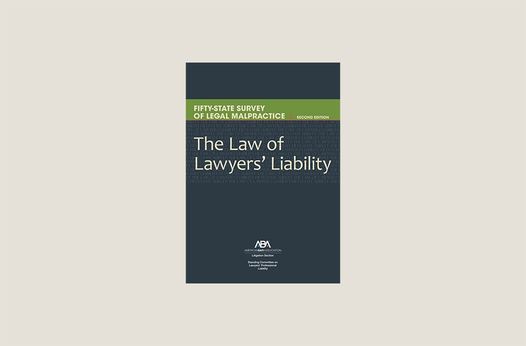
Hinshaw Attorneys Contribute Rhode Island Chapter in ABA Legal Malpractice Survey

