
Hinshaw Releases the Third Edition of Duty to Defend: A Fifty-State Survey
Press Release | 1 min read
Nov 18, 2025
Hinshaw & Culbertson LLP is pleased to announce the publication of the Third Edition of its Duty to Defend: A Fifty-State Survey. The guide—which is Volume III of the Hinshaw & Culbertson LLP On The Law Series—provides an overview of common issues presented with respect to the duty to defend, with chapters covering all 50 US states.
In response to popular demand, we’re releasing a third edition, which, as always, is explicitly written as a resource for insurance claims executives, professionals, and coverage lawyers tasked with making decisions about responding to complaints tendered for a defense in the US legal system.
The Survey begins with an introduction examining the duty to defend. It contains 50 chapters—one for each US state—addressing 11 of the most critical questions regarding the duty to defend in a question-and-answer format, including:
-
- What is the standard for determining whether an insurer has a duty to defend?
- Under what circumstances will information not contained in the policy or underlying complaint be considered in determining whether an insurer has a duty to defend (extrinsic evidence)?
- What constitutes a “suit”?
- When does the duty to defend begin?
- When does the duty to defend end?
- Must an insurer defend a lawsuit if only some of the facts alleged or counts included in the underlying complaint are potentially covered (mixed claims)?
- Under what circumstances may an insured select its own defense counsel to be paid by the insurer (independent counsel)?
- When an insurer pays for the defense of a matter where only some of the claims alleged in an underlying case are covered by the policy, may the insurer recoup from the insured the costs allocable to claims that are not covered (right of recoupment)?
- Does an insurer have an obligation to reimburse its insured for defense costs incurred by the insured prior to the time that the insured placed the insurer on notice of the claim (pre-tender defense costs)?
- What are the consequences of a breach of the duty to defend?
- Can an insured who prevails in coverage litigation recover from the insurer the attorneys’ fees and/or costs expended for the insured for litigating coverage without establishing common law or statutory bad faith (cost shifting)?
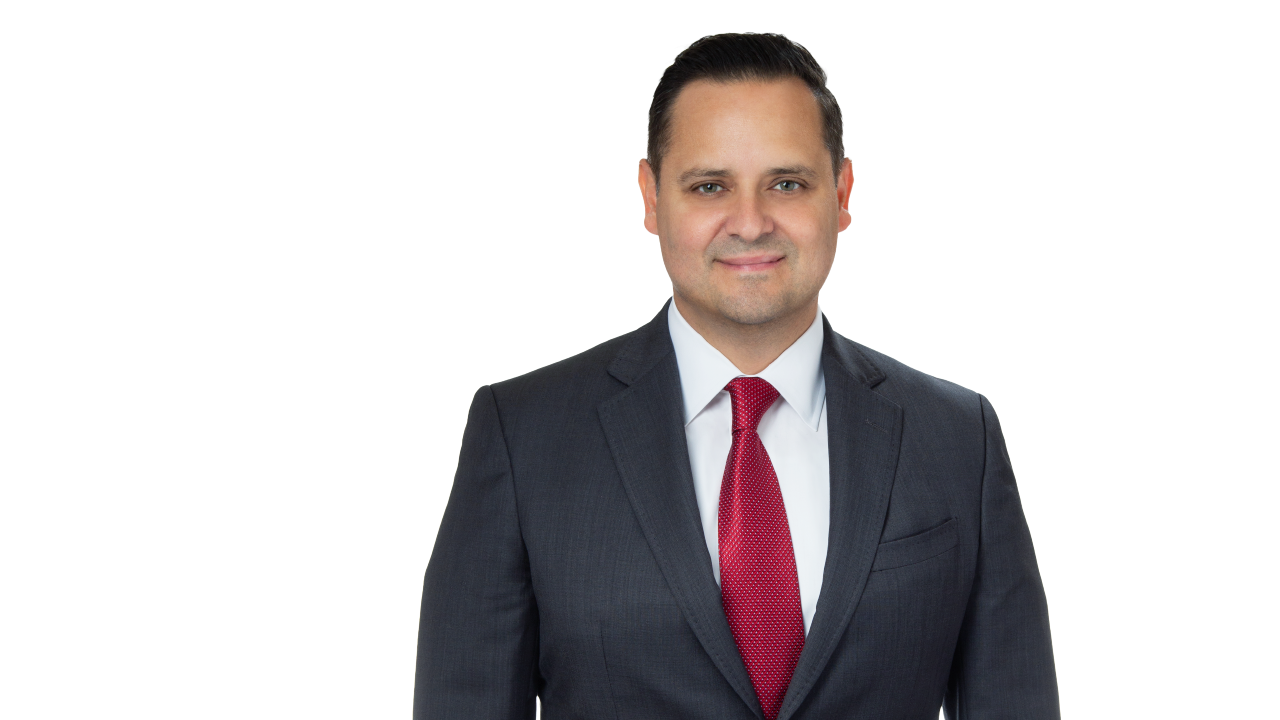
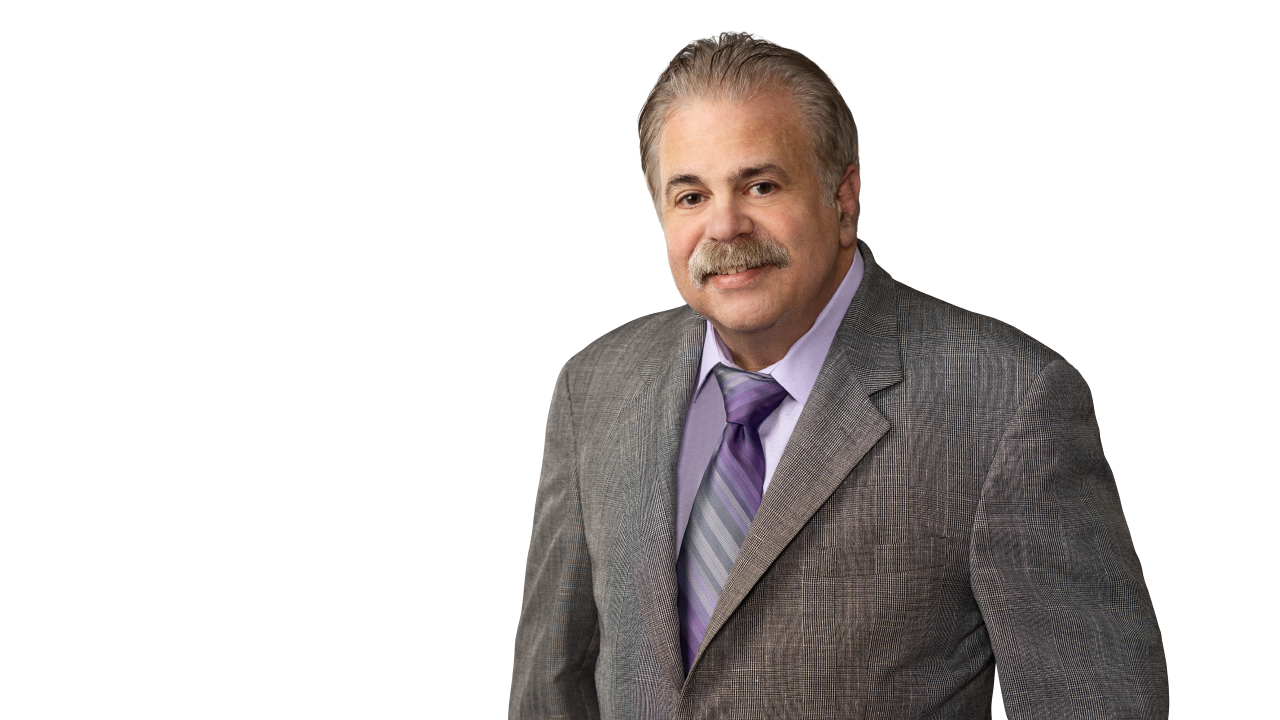
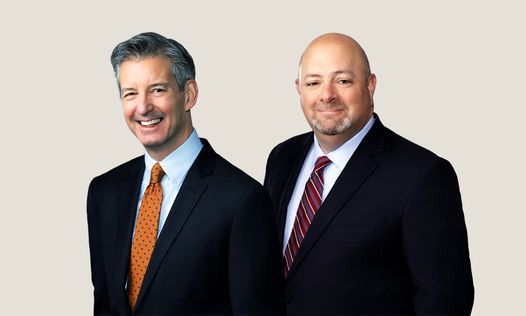
Scott Seaman and Pedro Hernandez—the co-chairs of Hinshaw’s Global Insurance Services Practice Group—along with partner Paulette Sarp, served as lead authors of the Third Edition. Several other attorneys in Hinshaw’s global Insurance Services group contributed to this publication. View a video message below from Seaman announcing the publication of the new edition of Duty to Defend: A Fifty-State Survey.
Related People

Related Capabilities
Featured Insights

Privacy, Cyber & AI Decoded Alert
Oct 13, 2026
California’s SB 690 Removes Some CIPA Claims, But Privacy and Legal Risks Remain

Press Release
Oct 12, 2026
Two Hinshaw Partners Reappointed to the NYC Bar Association’s Consumer Affairs Committee




Privacy, Cyber & AI Decoded Alert
Oct 13, 2026
California’s SB 690 Removes Some CIPA Claims, But Privacy and Legal Risks Remain
Press Release
Oct 12, 2026
Two Hinshaw Partners Reappointed to the NYC Bar Association’s Consumer Affairs Committee

Press Release
Oct 9, 2026
Adam Topel Appointed Chair-Elect of the ABA’s TIPS Appellate Advocacy Committee
Press Release
Oct 8, 2026
Technology Service Corporation Closes on Acquisition by Blackstone-Backed Purchaser

Employment Law Observer
Oct 8, 2026
“We Didn’t Know” is No Longer an Employer Defense for Religious Accommodation Claims Under Title VII

In The News
Oct 8, 2026
Lucy Wang Analyzes What Insurers Need to Know About Two New California Laws

Lawyers' Lawyer Newsletter
Oct 8, 2026
The Rise of Management Service Organizations: How Lawyers and Lawmakers are Responding
In The News
Oct 7, 2026
Scott Seaman Discusses Google’s Coverage Battle Over Social Media Addiction Claims

