
Key Takeaways from Mitch Chargo’s MJBizCon Panels on Minnesota’s Growing Cannabis Market
As reported by the Cannabis Industry Journal
In The News | 2 min read
Jan 7, 2026
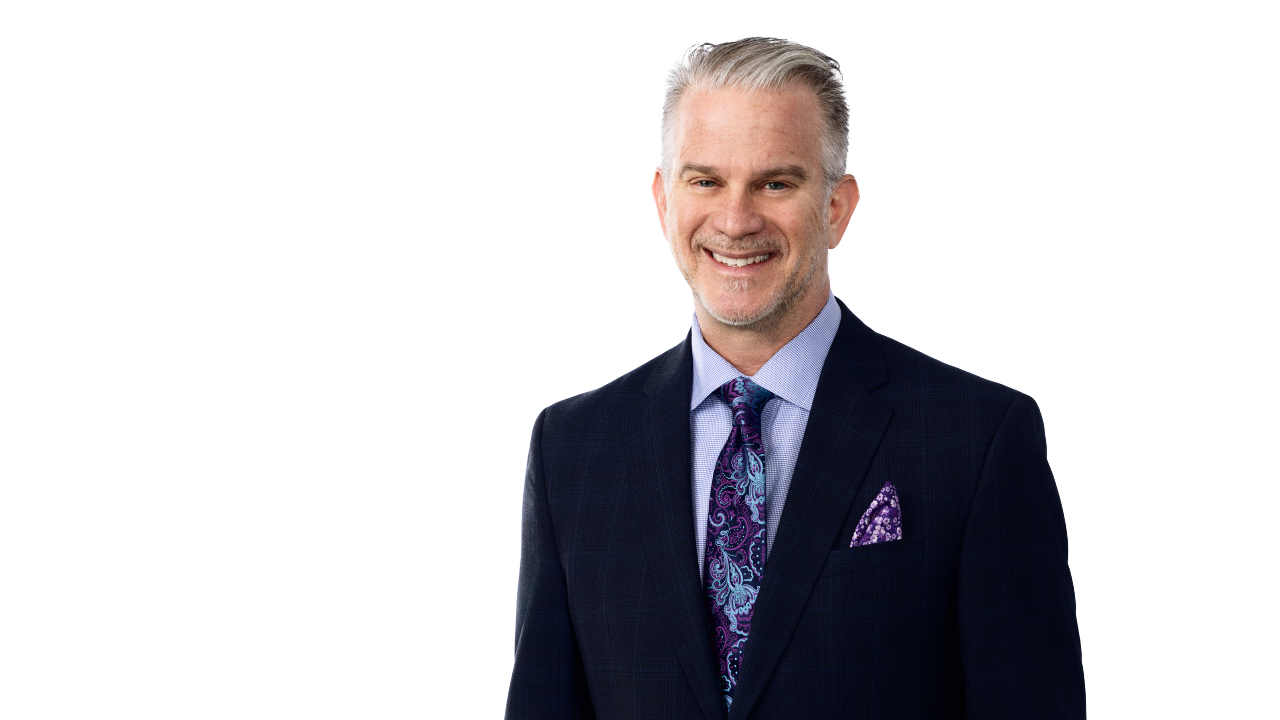
The Cannabis Industry Journal recently reported on some key takeaways from Hinshaw partner Mitch Chargo’s recent panel presentations at the MJBizCon conference, which took place last month in Las Vegas, Nevada.
Minnesota’s Compact is Intertwined in Sovereignty and Cannabis Law
-
- Mitch and his fellow panelists highlighted how Minnesota’s tribal-state cannabis compact is one of the state’s most groundbreaking accomplishments, with its collaboration between the legislature and rollout to all 11 federally recognized tribes in Minnesota.
- “Cannabis compacts sit at the intersection of sovereignty and cannabis law,” Mitch is quoted as saying in the first panel, describing how these negotiated agreements clarify regulatory standards, enforcement authority, and intergovernmental coordination.
Continuous Communication is Key
-
- Effective cannabis governance requires continuous intergovernmental communication. “The most important part of the compact is establishing a constant and reliable line of communication between the two governments,” Mitch noted.
- He further emphasized the important collaboration between tribal regulators and Minnesota’s Office of Cannabis Management to protect sovereignty and ensure public health and safety through consistent testing and compliance.
Minnesota’s Compacts Include Procedures to Proactively Resolve Issues
-
- While Mitch and the panelists recognized that challenges are unavoidable when multiple sovereign regulators operate within the same marketplace, they emphasized that Minnesota’s compacts proactively include procedures for resolving disputes through ongoing communication rather than through enforcement.
- “The goal is to resolve issues before they become conflicts,” Mitch said, highlighting in-person coordination and proactive dispute-resolution processes to reduce uncertainty across the market.
Equity Rule Limits Capital
-
- While Minnesota’s social equity framework was created with goals to protect applicants, some of its provisions have caused challenges, such as the debated requirement that social equity applicants must maintain at least 65 percent ownership of their businesses.
- “That 65 percent ownership requirement did a huge disservice to social equity applicants,” Mitch said. “Trying to raise money when you can only sell 35 percent of your company makes it virtually impossible, especially for microbusinesses.”
- He added: “You may be able to get licenses for cultivation or manufacturing, but without capital, most of these businesses end up funneled into retail simply because it costs less to launch.”
Minnesota Rewards Craft Operators and Brand Storytelling
-
- Lastly, Mitch and his panelists described how Minnesota’s cannabis market favors differentiated, craft-focused operators and brands to prevent domination by large multistate operators.
- “One of the strongest attributes of our program is the ability to build a craft business and tell a story that distinguishes your product from your neighbor’s,” he said. “If you want to create a brand that tells a story, Minnesota is the market for you.”
-
- Cannabis Industry Journal: “Minnesota Continues To Break New Ground in Cannabis” (December 15, 2025)
Related People
Related Capabilities
Related Locations
Featured Insights

Event
October 21 – 23, 2026
D.L. Morriss Presents on International Banking Litigation and AI Regulation

Press Release
Oct 20, 2026
Seasoned Litigator Joins Hinshaw's Aviation and Aerospace Team in Chicago

Privacy, Cyber & AI Decoded Alert
Oct 20, 2026
Eight States Sue OpenAI for Harming Minors


Event
October 21 – 23, 2026
D.L. Morriss Presents on International Banking Litigation and AI Regulation
Press Release
Oct 20, 2026
Seasoned Litigator Joins Hinshaw's Aviation and Aerospace Team in Chicago
Privacy, Cyber & AI Decoded Alert
Oct 20, 2026
Eight States Sue OpenAI for Harming Minors

Consumer Crossroads: Where Financial Services and Litigation Intersect
Oct 19, 2026
Refile, Repeat: Ohio’s Savings Statute Allows for Unlimited Bites of a Time-Barred Claim

Consumer Crossroads: Where Financial Services and Litigation Intersect
Oct 16, 2026
Key Takeaways from the 2026 ACVL Conference for the Auto Finance Industry

Press Release
Oct 16, 2026
Nia Binns Re-Appointed Health and Wellness Committee Co-Chair of the BWLA

In The News
Oct 16, 2026
Jennifer Driscoll Explains How Bond Request Spurred AG Settlement in Paramount Merger

Consumer Crossroads: Where Financial Services and Litigation Intersect
Oct 15, 2026
OCC Releases Debanking Report on Largest Banks; CFPB Announces Follow-On Initiative

In The News
Oct 14, 2026
Hinshaw Attorneys Contribute Rhode Island Chapter in ABA Legal Malpractice Survey

