
Bloomberg Law Recaps Panels Presented at Hinshaw's 25th Anniversary LMRM Conference
Legal Malpractice and Risk Management (LMRM) Conference
In The News | 4 min read
Apr 14, 2026
A series of panel discussions at the recently concluded 25th Anniversary Edition of Hinshaw’s Legal Malpractice and Risk Management (LMRM) Conference received media coverage in Bloomberg Law.
We highlight below some key panel insights, as reported.
1. Panel: “AI Didn’t Go to Law School—Why it Still Needs Supervision”
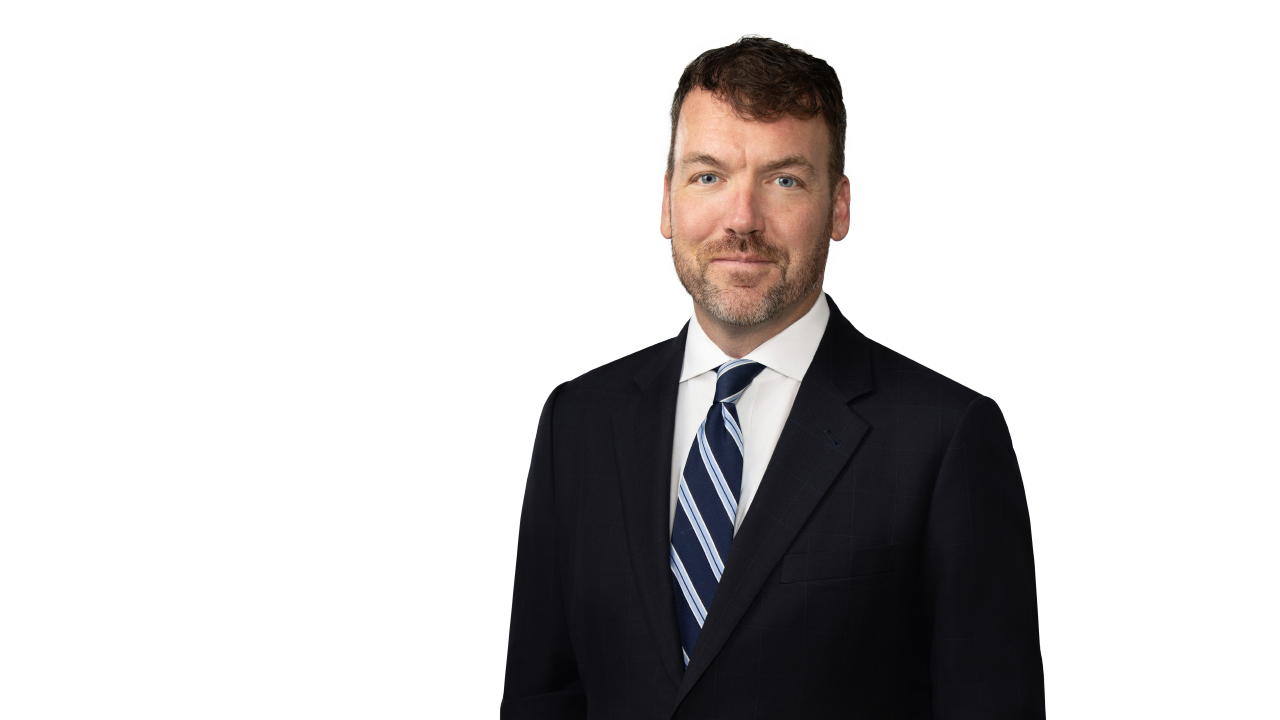
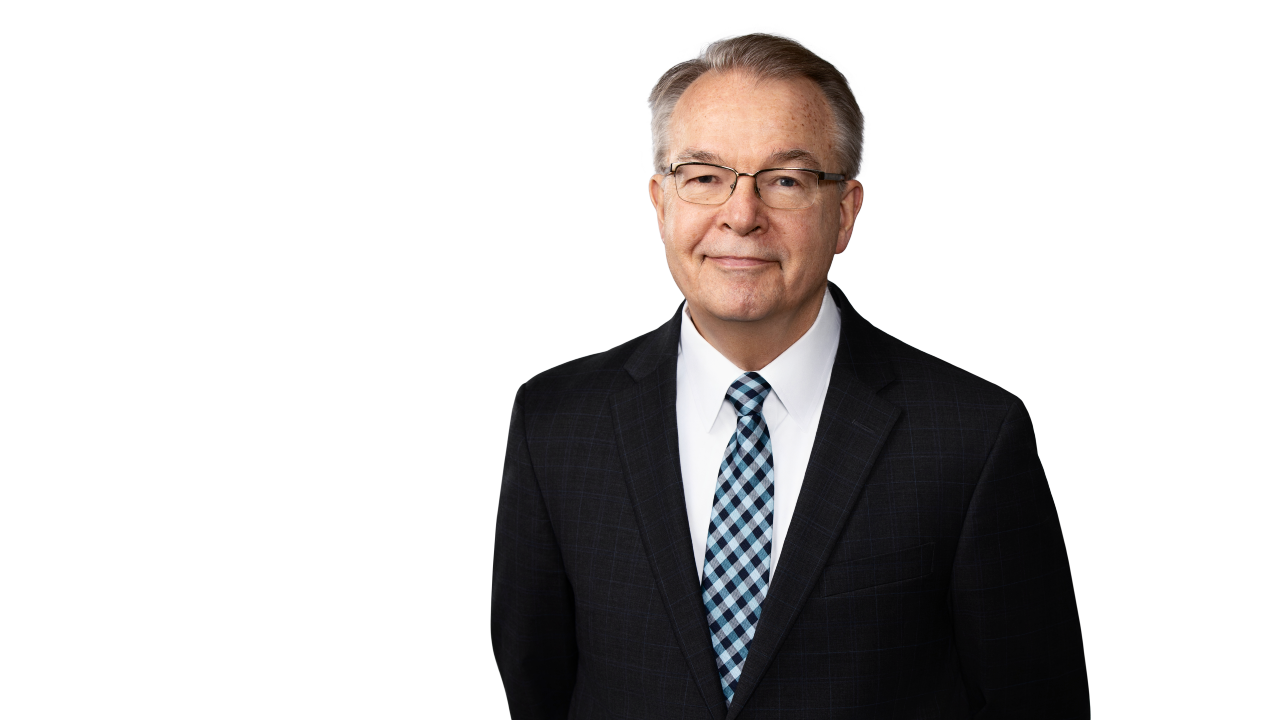
The first conference report reviews key takeaways from the panel, “AI Didn’t Go to Law School–Why it Still Needs Supervision,” featuring Hinshaw’s General Counsel, Steve Puiszis, and RPC partner Graham Reid:
-
- AI will not replace lawyers, but it will replace lawyers who do not use it. While acknowledging that AI "lacks judgment, creativity, and empathy," Steve made clear that lawyers who learn to use it safely and responsibly will have an edge over those who do not.
- Different uses of AI bring different risks. Steve explained the difference between high-risk uses of generative AI, such as legal research and document drafting, where hallucinated citations are common, and lower-risk uses, such as issue spotting and brainstorming, where the output can be more easily verified.
- Data security and privilege are the lawyer's responsibility. Steve stressed that it is the lawyer’s responsibility to ensure AI tools protect client privilege and confidentiality. He also highlighted the importance of obtaining client consent before using AI on a matter and before inputting any client information into an AI tool. Referencing ABA Formal Ethics Op. 512, he cautioned that “boilerplate language in engagement letters isn't proper informed consent for the use of Al on a client matter.”
- Firmwide training and document management are crucial. Steve recommended that law firms limit AI use to approved tools, require ongoing training for all lawyers, and flag AI-generated documents in their document management system so users know when they are working with AI-assisted output.
- AI regulation is coming. Lastly, Steve noted that Senate Bill 574, currently before the California state legislature, would regulate lawyers’ AI use and “would bring us one step closer to malpractice claims against lawyers for AI mistakes.” He closed out the discussion with a final piece of advice: “Let’s be careful out there.”
2. Panel: “Go Let it Out: Nonlawyer Ownership in Law Firms”
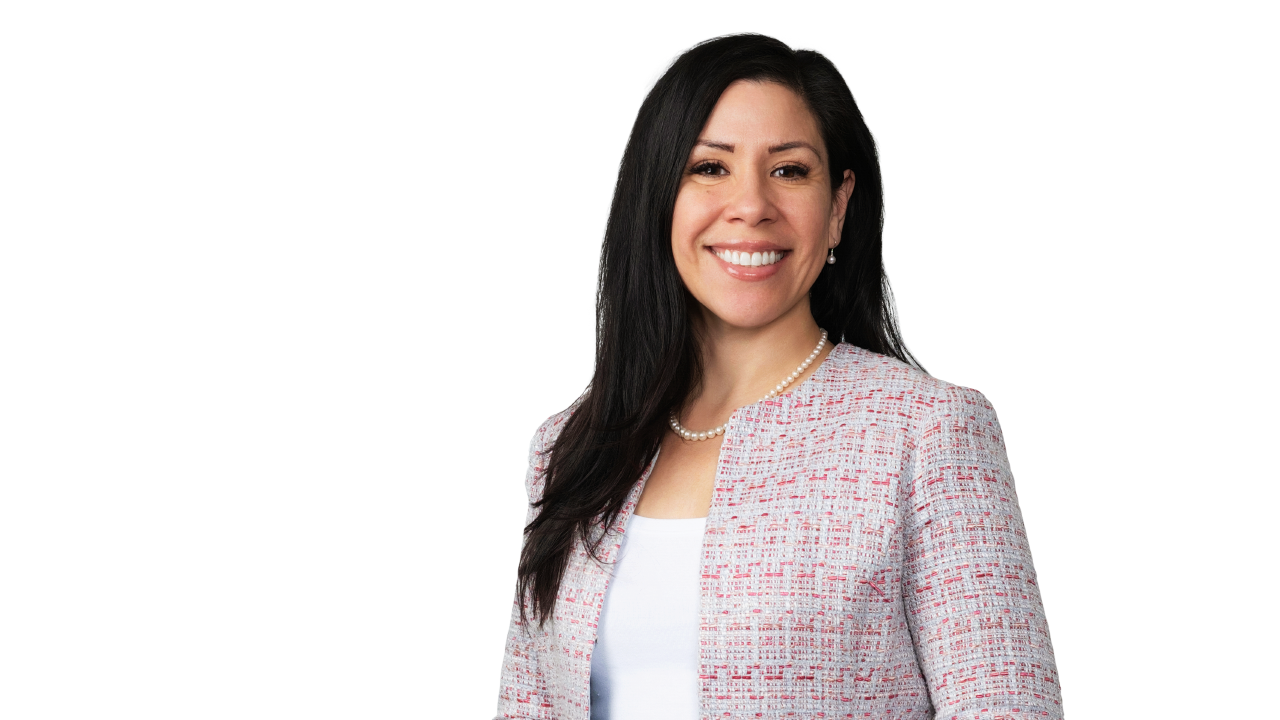
The next report highlights key discussion points from the LMRM panel, “Go Let it Out: Nonlawyer Ownership in Law Firms,” featuring Hinshaw partner Barry MacEntee and Aprio Legal panelists Andy Kvesic and Laura Walker. The group examined the increasing role of alternative business structure (ABS) firms in the legal sector.
Barry noted that, at least in the early stages of ABS frameworks, there appears to be no significant difference in the number of ethics complaints between lawyers working at ABS firms and those at what he called "legacy" firms, although he acknowledged that the future would ultimately “settle this debate.”
He also challenged the idea that traditional lawyer-owned structures are inherently better at protecting client interests, pointing out that traditional firms face their own economic challenges, such as when a client is insured, which can dictate what their lawyer can or cannot do.
3. Panel: “Sanctions: From Safe Harbor to Shipwreck–What Every Lawyer Must Know”
Bloomberg Law also reported on the LMRM panel, “Sanctions: From Safe Harbor to Shipwreck–What Every Lawyer Must Know” featuring Hinshaw partner April Toy, Lockton panelist Douglas Richmond, and Plunkett Cooney PC panelist Jeffrey Hengeveld.
During this session, discussing how lawyers can prevent, defend against, and mitigate Rule 11 sanctions exposure, April emphasized that a pleading is judged based on what the lawyer knew at the time it was filed, not what was learned afterward. However, she cautioned that lawyers cannot simply "make an allegation and hope discovery will provide the facts to support it down the road."
April also stressed that no procedural arrangement insulates a lawyer from responsibility for documents they sign, noting that making assertions on information and belief “does nothing for you.” As she put it, “You sign a pleading, it's yours,” highlighting that lawyers must ensure adequate factual and legal support for every filing at the time they put their name on it, regardless of their role in the litigation.
4. Panel: “What’s Keeping Law Firm General Counsel Awake at Night?”
The last report covers the popular LMRM conference session, “What’s Keeping Law Firm General Counsel Awake at Night?” featuring guest speakers Janis Meyer, Christopher Farella, Jonathan Margolies, and Edward Reich.
The panelists highlighted several pressing concerns for law firm general counsel. A key theme was managing lateral hires, where they stressed the importance of slowing down the onboarding process to thoroughly check for conflicts, carefully vetting the files that laterals bring to the firm, and integrating new attorneys into the firm's culture to prevent them from working in isolation. Panelists also emphasized the importance of building and maintaining a strong ethical culture by being visible and approachable, fostering relationships with business services staff, and communicating regularly through internal firm newsletters.
Want to Know More About Our Conference?
Subscribe to our Legal Malpractice & Risk Management Conference (LMRM) email list to register for next year’s event.
Bloomberg Law Media Coverage
-
- “CONFERENCE REPORT: AI Didn’t Go to Law School. It Still Needs Supervision” (March 10, 2026) – subscription required
- “CONFERENCE REPORT: Pros and Cons of ABS Firms Explored” (March 11, 2026) – subscription required
- “CONFERENCE REPORT: What to Know About Navigating Rule 11” (March 10, 2026) – subscription required
- “CONFERENCE REPORT: Law Firm General Counsel Talk Laterals, AI” (March 11, 2026) – subscription required
Related People
Related Capabilities
Featured Insights
Press Release
Oct 12, 2026
Two Hinshaw Partners Reappointed to the NYC Bar Association’s Consumer Affairs Committee



Press Release
Oct 12, 2026
Two Hinshaw Partners Reappointed to the NYC Bar Association’s Consumer Affairs Committee

Press Release
Oct 9, 2026
Adam Topel Appointed Chair-Elect of the ABA’s TIPS Appellate Advocacy Committee

Press Release
Oct 8, 2026
Technology Service Corporation Closes on Acquisition by Blackstone-Backed Purchaser

Employment Law Observer
Oct 8, 2026
“We Didn’t Know” is No Longer an Employer Defense for Religious Accommodation Claims Under Title VII

In The News
Oct 8, 2026
Lucy Wang Analyzes What Insurers Need to Know About Two New California Laws

Lawyers' Lawyer Newsletter
Oct 8, 2026
The Rise of Management Service Organizations: How Lawyers and Lawmakers are Responding

In The News
Oct 7, 2026
Scott Seaman Discusses Google’s Coverage Battle Over Social Media Addiction Claims

