
Unanimous Board Determines Make-Whole Relief Is Fundamental
1 min read
Jul 11, 2011
A Florida food products wholesaler unilaterally changed the health care plan for its bargaining unit employees twice in two years. Each change led to increased premiums and copayments for the unionized employees. The administrative law judge (ALJ) and reviewing bodies that subsequently reviewed these facts agreed that the unilateral change violated Section 8(a)(5) of the National Labor Relations Act, but disagreed about the appropriate remedy. The ALJ ordered the wholesaler to: cease and desist from changing the health plan; restore the health coverage in place prior to the unilateral changes, upon the union’s request; and make the employees whole for losses suffered as a result of the unilateral changes. A two-member National Labor Relations Board (NLRB) modified the remedy to eliminate the make whole relief if the union exercised its option to retain the final unilaterally implemented health insurance plan. The case eventually was argued before the U.S. Supreme Court, which remanded it after ruling that at least three members must convene in order to exercise the delegated authority of the NLRB. On second review, the four-member NLRB unanimously restored the make whole-relief award, regardless of whether the union requested rescission of the health care plan change. In doing so, the NLRB found that its earlier remedy was based on mechanical adherence to Brooklyn Hospital Center, 344 NLRB 404 (2005), a decision that itself ignored 40 years of NLRB precedent, without explanation. The unanimous NLRB held that a make-whole remedy is a fundamental element of the Board’s remedial approach. Make-whole relief fully compensates employees for economic losses caused by unfair labor practices. Also, it operates as a financial disincentive against the commission of unlawful unilateral changes. Employers should note that unlawful unilateral changes that result in economic losses to unit employees are recoverable independent of a union’s judgment on whether to seek rescission.
Featured Insights

Consumer Crossroads: Where Financial Services and Litigation Intersect
Oct 16, 2026
Key Takeaways from the 2026 ACVL Conference for the Auto Finance Industry

Press Release
Oct 16, 2026
Nia Binns Re-Appointed Health and Wellness Committee Co-Chair of the BWLA

In The News
Oct 16, 2026
Jennifer Driscoll Explains How Bond Request Spurred AG Settlement in Paramount Merger


Consumer Crossroads: Where Financial Services and Litigation Intersect
Oct 16, 2026
Key Takeaways from the 2026 ACVL Conference for the Auto Finance Industry
Press Release
Oct 16, 2026
Nia Binns Re-Appointed Health and Wellness Committee Co-Chair of the BWLA
In The News
Oct 16, 2026
Jennifer Driscoll Explains How Bond Request Spurred AG Settlement in Paramount Merger

Consumer Crossroads: Where Financial Services and Litigation Intersect
Oct 15, 2026
OCC Releases Debanking Report on Largest Banks; CFPB Announces Follow-On Initiative
In The News
Oct 14, 2026
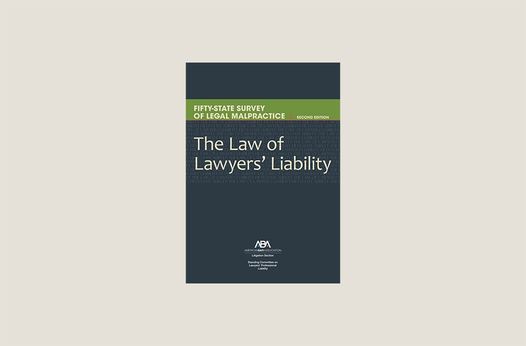
Hinshaw Attorneys Contribute Rhode Island Chapter in ABA Legal Malpractice Survey

Privacy, Cyber & AI Decoded Alert
Oct 13, 2026
California’s SB 690 Removes Some CIPA Claims, But Privacy and Legal Risks Remain

Press Release
Oct 12, 2026
Two Hinshaw Partners Reappointed to the NYC Bar Association’s Consumer Affairs Committee

