
California Supreme Court Limits the "Stray Remarks" Doctrine in Discrimination Cases
Insights for Employers Alert | 1 min read
Aug 9, 2010
A former director of operations and director of engineering at Google, Inc. sued the company alleging age discrimination. The trial court granted Google’s motion for summary judgment, finding that plaintiff’s evidence of “stray remarks” by non-decision-makers in support of his discrimination claim were insufficient evidence of discrimination to merit a trial. Under the “stray remarks” doctrine, which is routinely applied to federal discrimination claims, discriminatory remarks made by co-workers or non-decision-makers are not enough to overcome an employer's motion for summary judgment. Courts deem such evidence irrelevant because it is not probative of a discriminatory animus on the part of those actually involved in the decision-making process. The California Court of Appeals reversed, holding the stray remarks admissible as potential evidence of discriminatory animus. The California Supreme Court agreed and rejected strict application of the stray remarks doctrine in California discrimination cases, counter to the doctrine’s wide acceptance in federal courts. The Supreme Court held that evidence of non-decision-makers’ stray remarks are admissible and must be considered along with the totality of the facts in determining whether the plaintiff has presented sufficient evidence of discrimination to necessitate a trial on the merits. The Court’s holding makes it more difficult for California employers to dispose of cases on summary judgment where the plaintiff’s discrimination claims rest on stray remarks made by non-decision-makers.
Reid v. Google, Inc., No. S158965 (August 5, 2010).
Related Capabilities
Featured Insights

Press Release
Oct 8, 2026
Technology Service Corporation Closes on Acquisition by Blackstone-Backed Purchaser

Employment Law Observer
Oct 8, 2026
“We Didn’t Know” is No Longer an Employer Defense for Religious Accommodation Claims Under Title VII


Press Release
Oct 8, 2026
Technology Service Corporation Closes on Acquisition by Blackstone-Backed Purchaser
Employment Law Observer
Oct 8, 2026
“We Didn’t Know” is No Longer an Employer Defense for Religious Accommodation Claims Under Title VII
In The News
Oct 8, 2026
Lucy Wang Analyzes What Insurers Need to Know About Two New California Laws

Lawyers' Lawyer Newsletter
Oct 8, 2026
The Rise of Management Service Organizations: How Lawyers and Lawmakers are Responding
In The News
Oct 7, 2026
Scott Seaman Discusses Google’s Coverage Battle Over Social Media Addiction Claims

Consumer Crossroads: Where Financial Services and Litigation Intersect
Oct 6, 2026
Mixed Messages Ongoing as Courts Disagree Whether Texts Constitute “Calls” Under the TCPA
Press Release
Oct 5, 2026
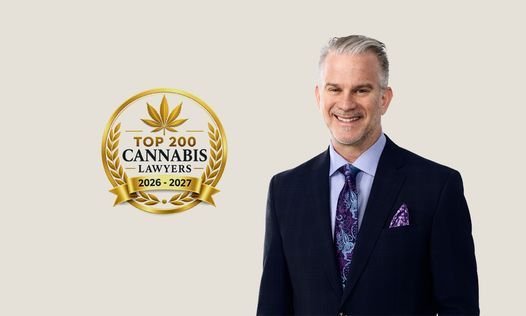
Mitchel Chargo Selected to the Seventh Edition of the Global Top 200 Cannabis Lawyers Directory

