
Nicholas Ajello and Gregory Emry Analyze FAA’s Proposed BVLOS Drone Regulations
Published in the ABA’s TortSource Newsletter
In The News | 2 min read
Sep 10, 2026
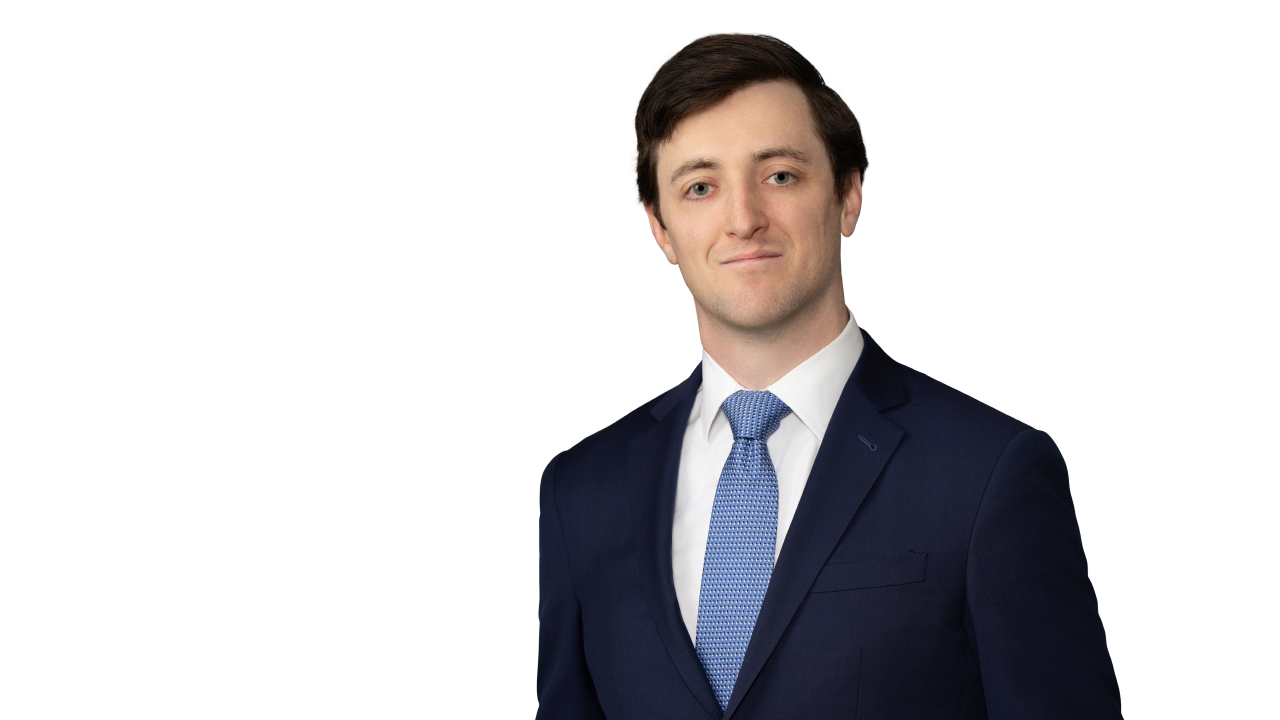
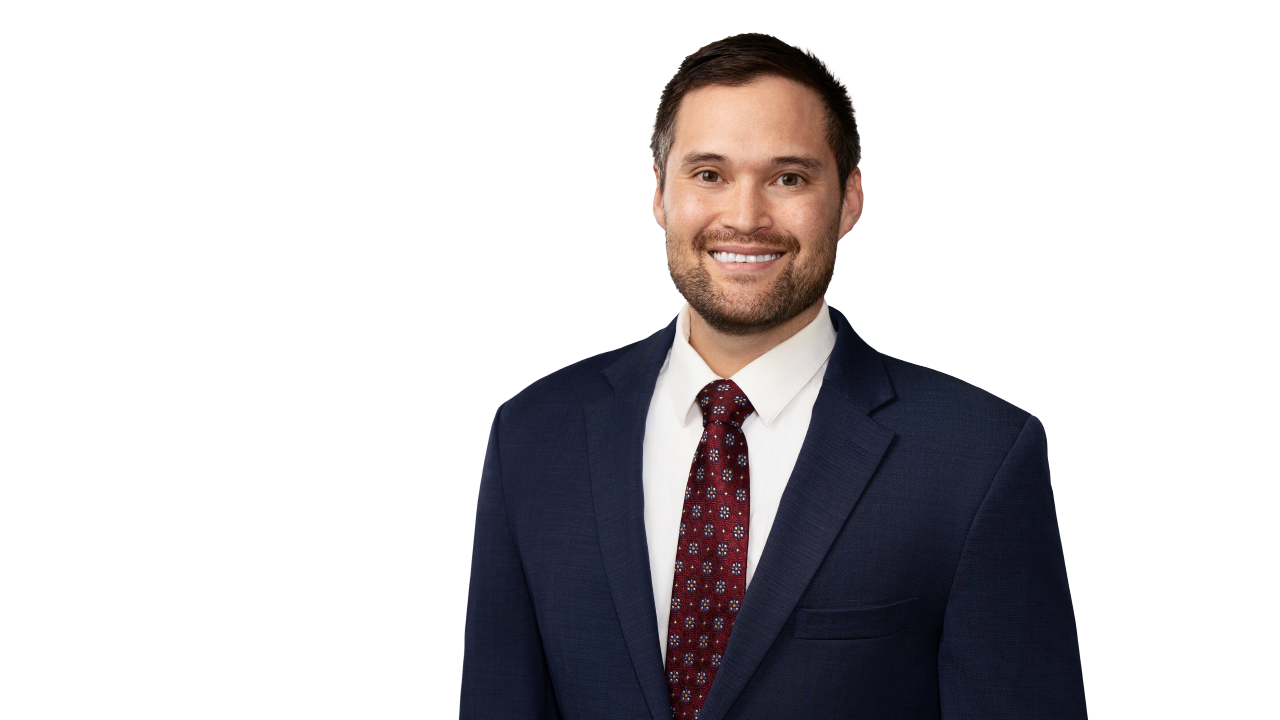
Hinshaw attorneys Nicholas Ajello and Gregory Emry authored a byline in the American Bar Association’s TortSource newsletter titled, “Unmanned Aircraft Systems and Beyond Visual Line of Sight Operations: Regulatory Trajectory, Potential Tort Exposure, and Insurance Implications.”
Our authors note that as drone use becomes more commonplace and more sophisticated, so, too, do the legal risks arising from their operation. This means that for insurers, insureds, regulators, litigators, and risk managers, recent developments in the drone industry present a growing and increasingly complex set of liability, regulatory, and coverage challenges.
They then explore the Federal Aviation Administration’s (FAA) push toward regulating routine beyond visual line of sight (BVLOS) operations. Historically, most commercial drone flights were limited to the operator’s visual line of sight or required individualized waivers. Proposed FAA rulemaking would replace this waiver-based model, permitting scalable operations such as long-distance infrastructure inspections and delivery routes.
Key Takeaways
The following is a summary of their key article takeaways.
The FAA is Poised to Reshape Commercial Drone Operations
-
- The Federal Aviation Administration’s (FAA) proposed Part 108 rulemaking would replace the current waiver-based model for beyond visual line of sight (BVLOS) flights with a scalable regulatory framework, enabling routine long-distance commercial operations such as drone deliveries and infrastructure inspections.
BVLOS Reframes Drones as Ordinary Commercial Aircraft
-
- The shift from Part 107’s visual-line-of-sight requirement to the broader Part 108 framework means courts will increasingly evaluate drone incidents under traditional negligence and aviation liability standards, with heightened scrutiny on operator training, maintenance, and regulatory compliance.
New Theories of Liability are Emerging
-
- Manufacturers’ transition from “hard” geofencing to warning-based systems is shifting safety responsibilities to operators, creating fertile ground for failure-to-warn and negligent-training claims. Drone delivery programs also introduce novel exposure risks, including nuisance, trespass, invasion of privacy, and premises liability.
AI and Automation Complicate Fault Analysis
-
- As drones increasingly rely on AI-assisted navigation and automated flight planning, litigators should expect disputes over shared fault between human operators and autonomous systems—cases that will closely mirror early autonomous-vehicle litigation.
Preemption Will be a Recurring Battleground
-
- Federal courts are beginning to define the boundaries between federal drone regulation and state or local authority, with room for state privacy and sensitive-site protections but vulnerability for local rules that conflict with federal airspace objectives.
Insurers Must Adapt Their Underwriting and Coverage Models
-
- Should Part 108 take effect, underwriting will need to center on regulatory compliance, including operating authority, airworthiness, and required equipage. Coverage disputes over aircraft exclusions, professional services exclusions, and cyber-risk provisions will continue to rise.
-
- American Bar Association: “Unmanned Aircraft Systems and Beyond Visual Line of Sight Operations: Regulatory Trajectory, Potential Tort Exposure, and Insurance Implications" (Winter 2026 Edition)
Related Capabilities
Related Locations
Featured Insights

Press Release
Oct 9, 2026
Adam Topel Appointed Chair-Elect of the ABA’s TIPS Appellate Advocacy Committee
Press Release
Oct 8, 2026
Technology Service Corporation Closes on Acquisition by Blackstone-Backed Purchaser



Press Release
Oct 9, 2026
Adam Topel Appointed Chair-Elect of the ABA’s TIPS Appellate Advocacy Committee
Press Release
Oct 8, 2026
Technology Service Corporation Closes on Acquisition by Blackstone-Backed Purchaser

Employment Law Observer
Oct 8, 2026
“We Didn’t Know” is No Longer an Employer Defense for Religious Accommodation Claims Under Title VII
In The News
Oct 8, 2026
Lucy Wang Analyzes What Insurers Need to Know About Two New California Laws

Lawyers' Lawyer Newsletter
Oct 8, 2026
The Rise of Management Service Organizations: How Lawyers and Lawmakers are Responding
In The News
Oct 7, 2026
Scott Seaman Discusses Google’s Coverage Battle Over Social Media Addiction Claims

Consumer Crossroads: Where Financial Services and Litigation Intersect
Oct 6, 2026
Mixed Messages Ongoing as Courts Disagree Whether Texts Constitute “Calls” Under the TCPA

