
New York Crosses the Finish Line to Ban Inquiries into Applicant Wage History
2 min read
May 9, 2017
On May 4, 2017, New York City Mayor Bill de Blasio signed into law, Intro No. 1253-2016, amending the New York City Human Rights Law to restrict an employer’s ability to ask job applicants about their compensation history during the hiring process. The law will take effect on October 31, 2017.
New York City is now the third jurisdiction to ban salary inquires following Philadelphia and Massachusetts.[1]
This bill prohibits employers from inquiring about a prospective employee's wage, benefits, or other compensation history during all stages of the employment process. Further, in the event that an employer is already aware of a prospective employee's salary history, this bill prohibits employers from using that information to determine salary, benefits or other compensation during the hiring process, including the negotiation of a contract.
This bill does not prohibit informing an applicant of the position's proposed or anticipated salary or salary range; nor does "salary history" include any object measure of the applicant's productivity such as revenue, sales, or other production reports. Further, this bill is not violated where:
- federal, state or local law specifically authorizes the disclosure or verification of salary history for employment purposes, or specifically requires knowledge of salary history to determine an employee's compensation;
- the application is for internal transfer or promotion with the applicant's current employer;
- a background check to verify non-salary related information or conduct discloses the applicant's salary history, but said history is not relied upon for purposes of determining the salary, benefits or other compensation for such applicant during the hiring process, including negotiation of a contract; or
- public employee positions for which salary, benefits or other compensation are determined pursuant to procedures established by collective bargaining.
Additionally, where an applicant voluntarily and without prompting, discloses his or her salary history to an employer, the employer may consider salary history in determining salary, benefits and other compensation for such applicant, and may verify such applicant's salary history.
If found in violation of the new amendment to New York City's Human Rights Law, the New York City Commission on Human Rights may impose a civil penalty of up to $125,000 for an unintentional violation, and up to $250,000 for a "willful, wanton or malicious act." Should the individual also choose to bring a civil lawsuit for violations of the law, the full range of relief allocated under the New York City Human Rights Law is available to the individual, including, but not limited to, compensatory damages and attorneys' fees.
The goal of the new bill is to close the wage gap among the genders and break the cycle of gender pay inequity. Reliance on salary histories and prior compensation packages in determining salaries for prospective employees can perpetuate the gender wage gap and continue prejudices previously experienced by women. The bill aims to reduce the likelihood of these continued prejudices.
[1] California law does not ban pay inquiries, but prohibits employers from using pay history to justify disparities in compensation between employees of the opposite sex, different races, and different ethnicities.
Featured Insights

Consumer Crossroads: Where Financial Services and Litigation Intersect
Oct 16, 2026
Key Takeaways from the 2026 ACVL Conference for the Auto Finance Industry

Press Release
Oct 16, 2026
Nia Binns Re-Appointed Health and Wellness Committee Co-Chair of the BWLA

In The News
Oct 16, 2026
Jennifer Driscoll Explains How Bond Request Spurred AG Settlement in Paramount Merger





Consumer Crossroads: Where Financial Services and Litigation Intersect
Oct 16, 2026
Key Takeaways from the 2026 ACVL Conference for the Auto Finance Industry
Press Release
Oct 16, 2026
Nia Binns Re-Appointed Health and Wellness Committee Co-Chair of the BWLA
In The News
Oct 16, 2026
Jennifer Driscoll Explains How Bond Request Spurred AG Settlement in Paramount Merger

Consumer Crossroads: Where Financial Services and Litigation Intersect
Oct 15, 2026
OCC Releases Debanking Report on Largest Banks; CFPB Announces Follow-On Initiative
In The News
Oct 14, 2026
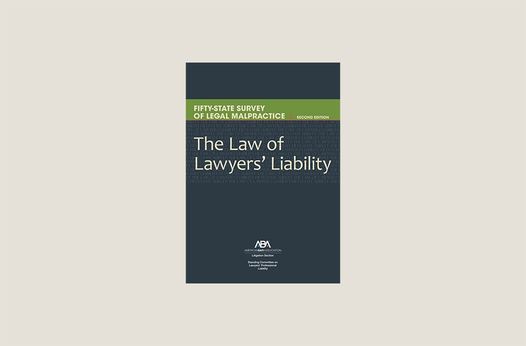
Hinshaw Attorneys Contribute Rhode Island Chapter in ABA Legal Malpractice Survey

Privacy, Cyber & AI Decoded Alert
Oct 13, 2026
California’s SB 690 Removes Some CIPA Claims, But Privacy and Legal Risks Remain

Press Release
Oct 12, 2026
Two Hinshaw Partners Reappointed to the NYC Bar Association’s Consumer Affairs Committee

