
Compliance: Employers closely watching Supreme Court’s ruling in Canning
The Court’s ruling will likely define the scope of the president’s recess appointments power for future administrations.
It’s easy to identify recess in an elementary school day: The bell rings, the kids tumble out of class, and the yard fills with playful shrieks and laughter.
Not so with Congress. The U.S. Senate’s chambers may be dark, official business on hold, the senators all home on vacation, and yet the legislative body may still be in session.
The issue of defining “recess” for the Senate lies at the center of NLRB v. Canning, a case currently before the U.S. Supreme Court. The outcome could have a significant impact on employers. At stake is the status of hundreds of National Labor Relations Board (NLRB) rulings on issues ranging from employee social media policies to the legally permissible scope of workplace rules relating to employer confidentiality, employee discipline and off-duty employee access to the workplace.
More broadly, the Court’s ruling will likely define the scope of the president’s recess appointments power for future administrations. Presidents must normally obtain Senate consent to fill federal agency board positions. The Constitution permits Presidents to unilaterally fill agency vacancies when the Senate is in recess, an anachronism to the days when Congress recessed for months at a time.
This article first appeared in InsideCounsel.
Featured Insights

Consumer Crossroads: Where Financial Services and Litigation Intersect
Oct 16, 2026
Key Takeaways from the 2026 ACVL Conference for the Auto Finance Industry

Press Release
Oct 16, 2026
Nia Binns Re-Appointed Health and Wellness Committee Co-Chair of the BWLA

In The News
Oct 16, 2026
Jennifer Driscoll Explains How Bond Request Spurred AG Settlement in Paramount Merger



Consumer Crossroads: Where Financial Services and Litigation Intersect
Oct 16, 2026
Key Takeaways from the 2026 ACVL Conference for the Auto Finance Industry
Press Release
Oct 16, 2026
Nia Binns Re-Appointed Health and Wellness Committee Co-Chair of the BWLA
In The News
Oct 16, 2026
Jennifer Driscoll Explains How Bond Request Spurred AG Settlement in Paramount Merger

Consumer Crossroads: Where Financial Services and Litigation Intersect
Oct 15, 2026
OCC Releases Debanking Report on Largest Banks; CFPB Announces Follow-On Initiative
In The News
Oct 14, 2026
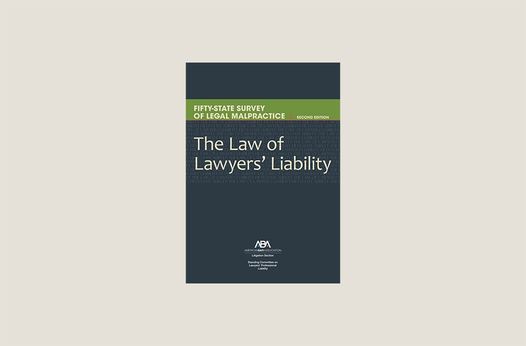
Hinshaw Attorneys Contribute Rhode Island Chapter in ABA Legal Malpractice Survey

Privacy, Cyber & AI Decoded Alert
Oct 13, 2026
California’s SB 690 Removes Some CIPA Claims, But Privacy and Legal Risks Remain

Press Release
Oct 12, 2026
Two Hinshaw Partners Reappointed to the NYC Bar Association’s Consumer Affairs Committee

