
NLRB Permits Unions to Charge dues Objectors for Lobbying Expenses, and Seeks Further Briefing on “Germaneness” Standard
1 min read
Jan 10, 2013
A former Union member filed an unfair labor practice charge alleging that the Union, which represents hospital employees, violated the National Labor Relations Act by its treatment of the former Union member and other employees who resigned their Union memberships and objected to paying dues that were unrelated to collective bargaining, contract administration, or grievance adjustment.
The National Labor Relations Board (NLRB) issued a complaint against the Union, and an Administrative Law Judge sustained some allegations against the Union. However, all of the parties filed exceptions to portions of the Judge's decision, so the NLRB took up the case.
The NLRB ruled that a union with a collective bargaining agreement that includes a union-security clause may charge nonmember dues objectors for union lobbying expenses that are "germane to collective bargaining, contract administration or grievance adjustment." The NLRB found, for example, that lobbying expenses associated with minimum wage legislation, professional licensing, and state supplements to the WARN Act are chargeable to objectors, while those related to general economic stimulus or "broad social or environmental policies" are not chargeable. Although the NLRB provided such examples, it left unanswered precisely what lobbying expenses may be chargeable. The NLRB did, however, invite briefing on how it should apply its new standard going forward. The deadline to file amicus briefs addressing how the NLRB should define and apply a "germaneness standard" is February 19, 2013.
It is anticipated that the NLRB will accept the Union's arguments that every lobbying function is meant to improve the lives of its members and is related to collective bargaining, thereby allowing for the vast majority of lobbying expenses to be charged to objectors, and creating a broad exception to the holding in Communications Workers v. Beck, 487 U.S. 735 (1988), where the U.S. Supreme Court held that those who object to paying the required dues may only be charged for the percentage of dues used for purposes of collective bargaining, contract administration, or grievance adjustment.
For more information read United Nurses & Allied Prof'ls (Kent Hosp.), 359 N.L.R.B. No. 42, December 14, 2012.
Featured Insights

Consumer Crossroads: Where Financial Services and Litigation Intersect
Oct 16, 2026
Key Takeaways from the 2026 ACVL Conference for the Auto Finance Industry

Press Release
Oct 16, 2026
Nia Binns Re-Appointed Health and Wellness Committee Co-Chair of the BWLA

In The News
Oct 16, 2026
Jennifer Driscoll Explains How Bond Request Spurred AG Settlement in Paramount Merger



Consumer Crossroads: Where Financial Services and Litigation Intersect
Oct 16, 2026
Key Takeaways from the 2026 ACVL Conference for the Auto Finance Industry
Press Release
Oct 16, 2026
Nia Binns Re-Appointed Health and Wellness Committee Co-Chair of the BWLA
In The News
Oct 16, 2026
Jennifer Driscoll Explains How Bond Request Spurred AG Settlement in Paramount Merger

Consumer Crossroads: Where Financial Services and Litigation Intersect
Oct 15, 2026
OCC Releases Debanking Report on Largest Banks; CFPB Announces Follow-On Initiative
In The News
Oct 14, 2026
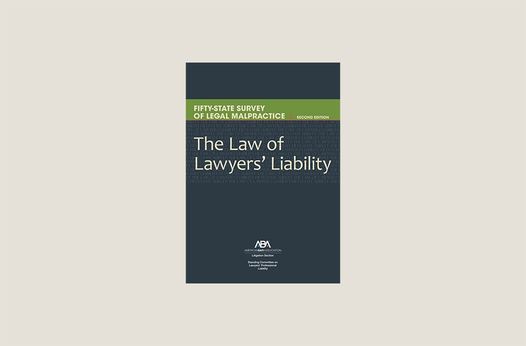
Hinshaw Attorneys Contribute Rhode Island Chapter in ABA Legal Malpractice Survey

Privacy, Cyber & AI Decoded Alert
Oct 13, 2026
California’s SB 690 Removes Some CIPA Claims, But Privacy and Legal Risks Remain

Press Release
Oct 12, 2026
Two Hinshaw Partners Reappointed to the NYC Bar Association’s Consumer Affairs Committee

