
Law360 Calls Upon Scott Seaman For Perspective On Recent NJ Supreme Court Decision
In The News | 3 min read
Jul 2, 2018
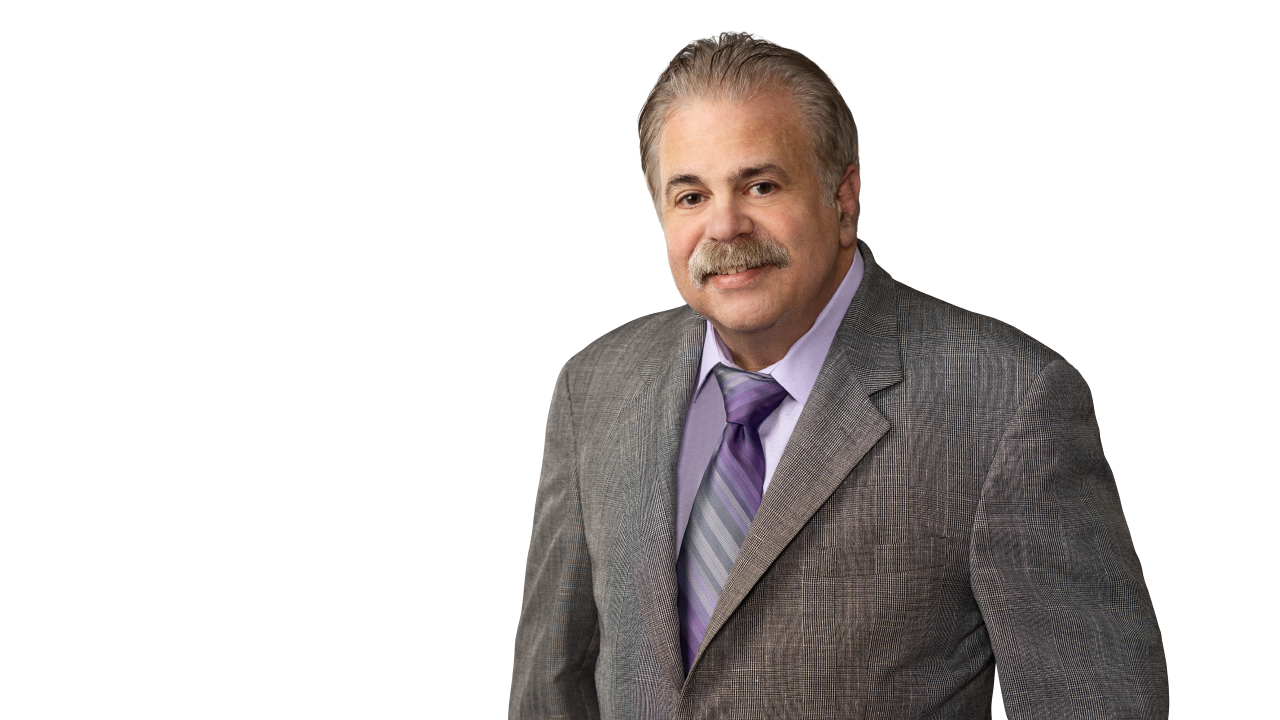
In discussing the New Jersey Supreme Court decision on allocation, Law 360 turned to Hinshaw attorney Scott Seaman, a Chicago-based partner and co-chair of the firm's national Insurance Services Group. Seaman is author of the leading treatise on the subject, Allocation of Losses in Complex Insurance Coverage Claims (Thomson Reuters 2017-18), which now in its sixth edition.
On June 27th, in Continental Insurance Company v. Honeywell International, Inc., the New Jersey Supreme Court decided to adhere to its’ “unavailability of insurance” exception to the general rule in its pro rata allocation scheme that policyholders are responsible for damages or injuries taking place in periods in which they are uninsured. A majority of the justices declined to depart from the so-called unavailability exception set forth in the state high court’s landmark 1994 opinion in Owens-Illinois Inc. v. United Ins. Co.
Under the pro rata allocation method outlined in Owens-Illinois, if a policyholder forgoes purchasing available insurance for a particular risk, it is responsible for the portion of the injuries or damages taking place during that time period. Where no insurance is available for purchase in certain years, the policyholder does not have to pay a share of costs attributed to those years. In Honeywell, the insurers asked the New Jersey Supreme Court to carve out an “equitable exception” to the rule on the grounds that Bendix (a Honeywell corporate predecessor) continued manufacturing asbestos-containing brake products for 14 years after insurance allegedly ceased to be offered for asbestos claims. The Complex Insurance Claims Litigation Association, a trade organization, argued in an amicus brief that the unavailability exception should be completely eliminated. The New Jersey Supreme Court majority concluded, however, that the circumstances of the case did not warrant deviating from the unavailability rule. The court emphasized that Honeywell sought coverage only for claims alleging initial exposure to asbestos before 1987 — when the policies covered such risks — even if the alleged injuries manifested after 1987. According to Seaman, New Jersey Law on allocation is the same after Honeywell as it was before the decision. Losses are prorated and the policyholder remains responsible for periods of no insurance where insurance was available in the market. The majority of the New Jersey Supreme Court simply decided this was not the right case to chip away at the unavailability exception to allocating to policyholders because it was not warranted by the record.
The Law360 article asks Seaman to distinguish the outcome of Honeywell with the outcome of KeySpan decision rendered earlier this year by the New York Court of Appeals. “The difference between KeySpan and Honeywell lies in the different rationale employed by the New York and New Jersey high courts for applying a pro rata allocation,” Seaman explained. “In New York, contract language, such as limiting coverage to injury and damage during the policy period, is enforced. New Jersey Supreme Court jurisprudence on allocation is based upon its public policy considerations.”
He adds that we have seen this difference in rationale play out with non-cumulation clauses, which are enforced as interpreted in New York and are disregarded in New Jersey as conflicting with the Owens-Illinois allocation scheme. We also see this on the issue of the unavailability of insurance exception, which was rejected by the New York Court of Appeals in KeySpan because no such exception to allocating to the policyholder is found in the language of the contracts. Seaman, who was involved in the Owens-Illinois case, believes the dissent was correct. “As Justice Albin’s cogent dissent points out, allocating to the policyholder regardless of the availability of insurance actually is sound policy and true to the principles underlying Owens-Illinois.”
Read the full article (subscription required)
Related People
Related Capabilities
Related Locations
Featured Insights


Press Release
Oct 9, 2026
Adam Topel Appointed Chair-Elect of the ABA’s TIPS Appellate Advocacy Committee

Press Release
Oct 8, 2026
Technology Service Corporation Closes on Acquisition by Blackstone-Backed Purchaser



Press Release
Oct 9, 2026
Adam Topel Appointed Chair-Elect of the ABA’s TIPS Appellate Advocacy Committee
Press Release
Oct 8, 2026
Technology Service Corporation Closes on Acquisition by Blackstone-Backed Purchaser

Employment Law Observer
Oct 8, 2026
“We Didn’t Know” is No Longer an Employer Defense for Religious Accommodation Claims Under Title VII

In The News
Oct 8, 2026
Lucy Wang Analyzes What Insurers Need to Know About Two New California Laws

Lawyers' Lawyer Newsletter
Oct 8, 2026
The Rise of Management Service Organizations: How Lawyers and Lawmakers are Responding

In The News
Oct 7, 2026
Scott Seaman Discusses Google’s Coverage Battle Over Social Media Addiction Claims

Consumer Crossroads: Where Financial Services and Litigation Intersect
Oct 6, 2026
Mixed Messages Ongoing as Courts Disagree Whether Texts Constitute “Calls” Under the TCPA

