
Fred Ufkes Authors Law360 Article on the Inherent Risks in Purchasing Assets of a Predecessor
In The News | 1 min read
Oct 24, 2013
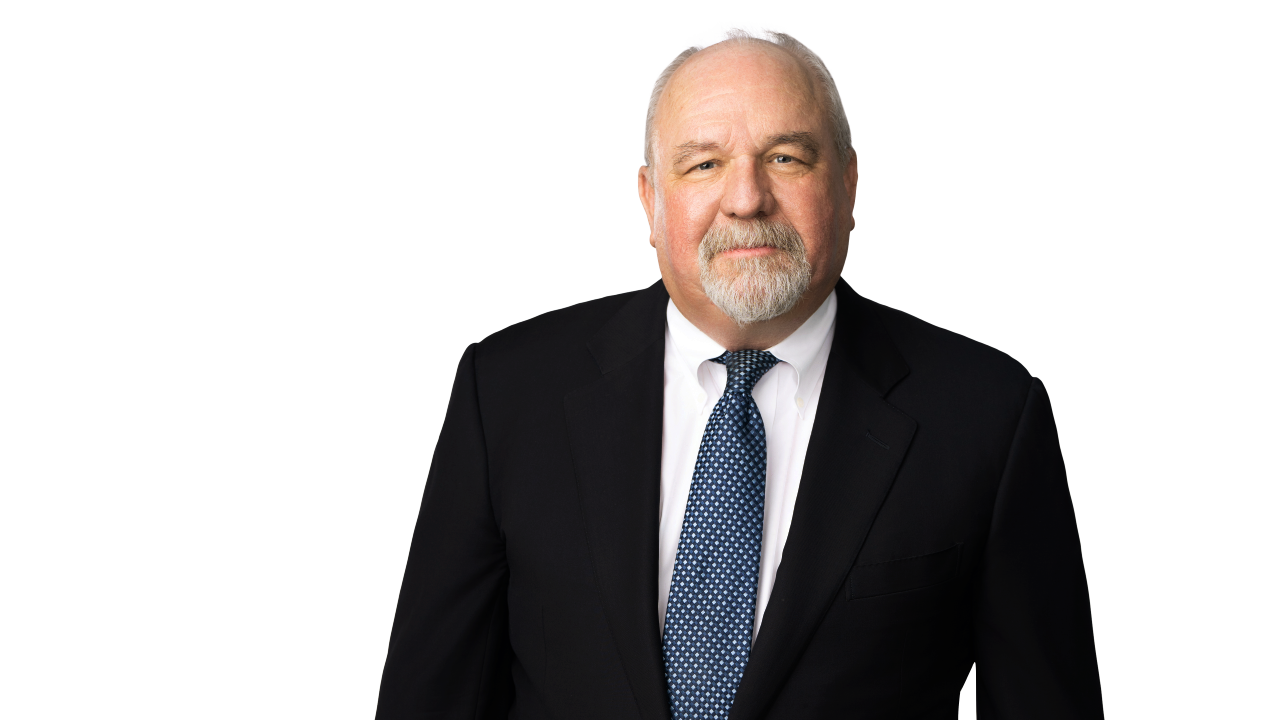
Hinshaw & Culbertson LLP partner Frederick J. Ufkes authored an article in Law360 titled "The Inherent Risks in Purchasing Assets of a Predecessor."
The article thoroughly discusses the the California Supreme Court Decisions in the case of Ray v. Alad. Mr. Ufkes offers a thorough analysis of the case as well as recommendations. The article covers various aspects of the case such as the facts of the case as well as the different approaches to litigation the plaintiffs used. Mr. Ufkes goes on to discuss the trial and findings resulting from the trial. Mr. Ufkes further discusses the different lessons learned from the results of the trial which are the questionable usefulness of cross-complaint for idemnity, motions for summary judgment vs. bench trials and how the Ray Product Line Exception has a limited application. The different sections of the article include:
- Factual Predicate
- Litigation History
- Trial
- Finding
- Lessons
- Conclusion
Subscribers can read the full article, "The Inherent Risks In Purchasing Assets of a Predecessor" on Law360.
Related People
Related Capabilities
Featured Insights

Press Release
Oct 9, 2026
Adam Topel Appointed Chair-Elect of the ABA’s TIPS Appellate Advocacy Committee

Press Release
Oct 8, 2026
Technology Service Corporation Closes on Acquisition by Blackstone-Backed Purchaser


Press Release
Oct 9, 2026
Adam Topel Appointed Chair-Elect of the ABA’s TIPS Appellate Advocacy Committee
Press Release
Oct 8, 2026
Technology Service Corporation Closes on Acquisition by Blackstone-Backed Purchaser

Employment Law Observer
Oct 8, 2026
“We Didn’t Know” is No Longer an Employer Defense for Religious Accommodation Claims Under Title VII

In The News
Oct 8, 2026
Lucy Wang Analyzes What Insurers Need to Know About Two New California Laws

Lawyers' Lawyer Newsletter
Oct 8, 2026
The Rise of Management Service Organizations: How Lawyers and Lawmakers are Responding
In The News
Oct 7, 2026
Scott Seaman Discusses Google’s Coverage Battle Over Social Media Addiction Claims

Consumer Crossroads: Where Financial Services and Litigation Intersect
Oct 6, 2026
Mixed Messages Ongoing as Courts Disagree Whether Texts Constitute “Calls” Under the TCPA

