
Joint Commission Releases Revised Medical Staff Bylaws Standard
Healthcare Alert | 3 min read
Mar 24, 2010
On March 18, 2010, the Joint Commission published revisions to Medical Staff Standard (MS) .01.01.01, formerly known as MS 1.20. The revised Standard goes into effect March 31, 2011. It identifies those medical staff processes which may be detailed more thoroughly in rules and regulations or in manuals attached to and incorporated by reference in medical staff bylaws, provided those issues are referenced generally in the bylaws. These rules and regulations and manuals may be amended more easily in accordance with MS .01.01.01.
In addition, the new Standard creates a system of rights, responsibilities and accountabilities between the organized medical staff and the governing body and between the medical staff and individual members. In a note of explanation, the Joint Commission indicated that anything in the Standard found to be in conflict with the Conditions of Participation established by the Centers for Medicare and Medicaid Services (CMS) will be changed to align with the CMS regulations.
Among the revisions in MS .01.01.01 are the following:
1. While the requirements established in Elements of Performance 12 through 36 must be in the medical staff bylaws, details — or what some might call procedures for those elements of performance — may be in rules and regulations or policies. Thus, hospitals with manuals or policies appended to the bylaws would be in compliance, so long as the specific requirements established in Elements of Performance 12 through 36 were contained in the medical staff bylaws. The medical staff bylaws must contain the basic steps, as determined by the medical staff and approved by the governing body for these elements of performance. However, the procedures may be contained elsewhere. The Joint Commission defines Elements of Performance as “statements that detail the specific performance expectations and/or structures or processes that must be in place in order for an organization to provide quality care, treatment and services.”
2. The bylaws state that the medical staff has the ability to adopt medical staff bylaws and amendments thereto and to propose them directly to the governing body.
3. The bylaws contain a process whereby the medical staff manages conflict between the medical staff and the medical executive committee on issues including proposals to adopt a rule, regulation or policy or an amendment thereto.
4. In cases of a documented need for an urgent amendment to rules and regulations necessary to comply with laws or regulations, the bylaws must contain a process by which the medical executive committee — if delegated to do so by the voting members of the organized medical staff — may provisionally adopt, and the governing body may provisionally approve, an urgent amendment without prior notification of the medical staff. This change does not address what occurs if the medical staff will not adopt a rule and regulation or a bylaw change required by law. The medical staff could cause the hospital to be out of compliance with the Medicare Conditions of Participation. The Medicare Conditions of Participation clearly indicate that the governing board is responsible for what occurs in the hospital.
Most hospitals already incorporate many of the requirements of MS .01.01.01 in their medical staff bylaws, particularly if they were compliant with MS 1.20. Others may need to make significant revisions. Hospitals are encouraged to review the Standard and their bylaws and determine what revisions, if any, are necessary. It should be noted that, in certain situations, a hospital may not be able to comply with all of MS .01.01.01, particularly if the medical staff and hospital have conflicts over bylaw provisions, or rules and regulations either required by law or felt to be necessary by the board.
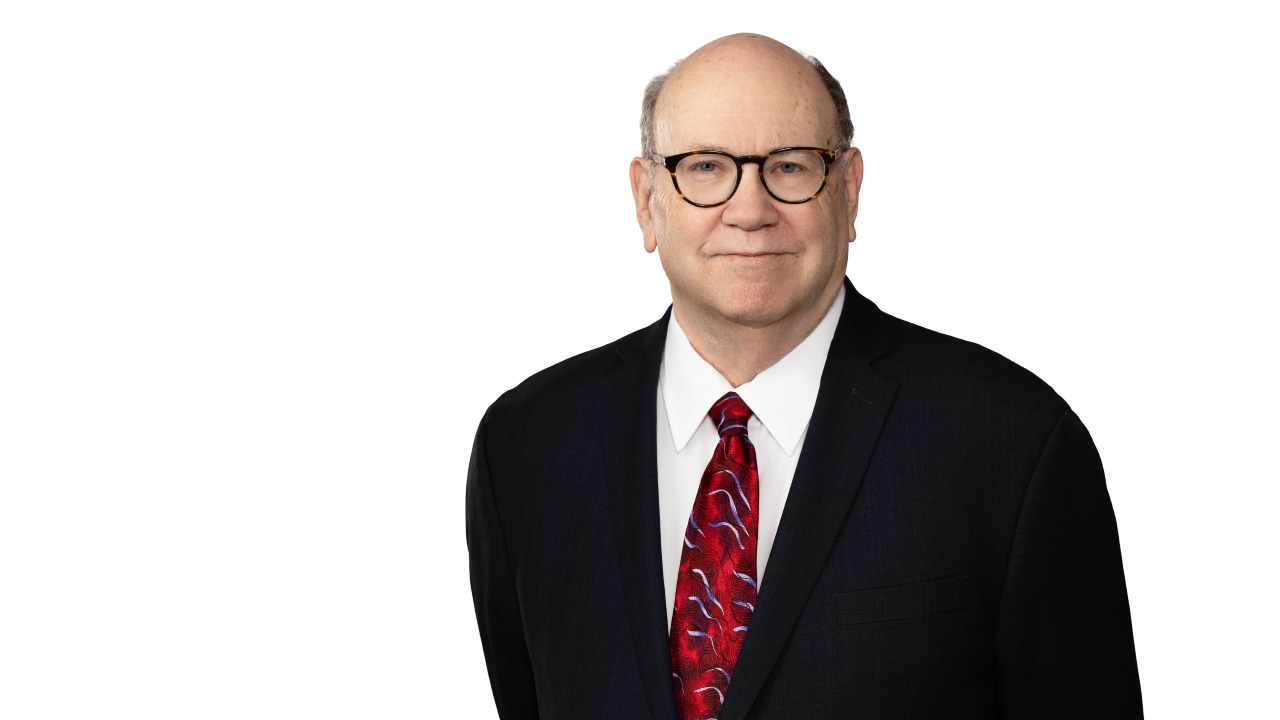
For more information, please contact Roy M. Bossen, or your regular Hinshaw attorney.
This alert has been prepared by Hinshaw & Culbertson LLP to provide information on recent legal developments of interest to our readers. It is not intended to provide legal advice for a specific situation or to create an attorney-client relationship.
Related People
Related Capabilities
Featured Insights

Press Release
Oct 12, 2026
Two Hinshaw Partners Reappointed to the NYC Bar Association’s Consumer Affairs Committee



Press Release
Oct 12, 2026
Two Hinshaw Partners Reappointed to the NYC Bar Association’s Consumer Affairs Committee

Press Release
Oct 9, 2026
Adam Topel Appointed Chair-Elect of the ABA’s TIPS Appellate Advocacy Committee

Press Release
Oct 8, 2026
Technology Service Corporation Closes on Acquisition by Blackstone-Backed Purchaser

Employment Law Observer
Oct 8, 2026
“We Didn’t Know” is No Longer an Employer Defense for Religious Accommodation Claims Under Title VII

In The News
Oct 8, 2026
Lucy Wang Analyzes What Insurers Need to Know About Two New California Laws

Lawyers' Lawyer Newsletter
Oct 8, 2026
The Rise of Management Service Organizations: How Lawyers and Lawmakers are Responding

In The News
Oct 7, 2026
Scott Seaman Discusses Google’s Coverage Battle Over Social Media Addiction Claims

