
Texas Lawyers May Reveal Corporate Client’s Fraud to Client’s Creditors
Lawyers for the Profession® Alert
Lawyers for the Profession® Alert | 2 min read
Feb 10, 2011
Professional Ethics Committee for the State Bar of Texas, Op. No. 603 (Nov. 2010)
Brief Summary
If revealing a corporate client’s confidential information to the client’s creditors is necessary to prevent the client’s fraud, such disclosure is permissible. But the lawyer must first attempt to dissuade the client from committing fraud.
Complete Summary
The Professional Ethics Committee for the State Bar of Texas (Committee) discussed a lawyer’s duty of confidentiality to a corporate client when the sole shareholder/director/officer of an insolvent corporate client intends to breach his fiduciary duty to the client, instructs the lawyer not to disclose the conduct, and the client’s creditors likely will suffer substantial harm.
Tex. R. Prof’l Conduct 1.05(c)(7) provides that a lawyer may reveal a client’s confidential information if necessary to prevent a crime or fraud. Tex. R. Prof’l Conduct 1.02(d) requires attorneys to attempt to dissuade clients from committing a crime or fraud likely to result in substantial financial harm to another. Similarly, Tex. R. Prof’l Conduct 1.12(c) adds, in the context of an officer’s or other person’s violation of a duty to a corporate client, that before revealing confidential information, the lawyer must take steps to resolve the violation internally.
The Committee first noted that a breach of fiduciary duty is not necessarily a fraud. Therefore, the attorney would only be permitted to reveal the client’s confidences if the corporate representative’s breach rose to the level of a fraud. Further, based on Tex. R. Prof’l Conduct 1.02(d) and 1.12(c), the lawyer must attempt to dissuade the corporation and its representative from committing the fraud before revealing confidential information.
The Committee further opined that Tex. R. Prof’l Conduct 1.05(c)(7) requires any disclosure of confidential information to be limited in manner and content to the extent necessary to prevent the crime or fraud. Applying this rule to the facts presented, the Committee noted that revealing confidential information to the client’s creditors may or may not be permissible, depending upon whether the lawyer believes that doing so will prevent the fraud. The Committee also suggested that other avenues of disclosure may be adequate if available—for example, disclosure to a court for in camera review.
The Committee added that, while Tex. R. Prof’l Conduct 1.12(b) requires a lawyer to take action to prevent a corporate representative from substantially injuring the corporation, this rule would not apply under the facts presented because, given the corporation’s insolvency, it likely would not experience substantial injury.
Significance of Opinion
This opinion from the Texas Bar clarifies not only when a lawyer may reveal client confidences to prevent a crime or fraud, but also how he or she should go about disclosing the client’s confidences, and more specifically, to whom the attorney should reveal such confidences. The permission to disclose is not a mandate for disclosure, however, and the facts will drive the decision and can include disclosure directly to the potential victim of a crime or fraud.
For more information, please contact your regular Hinshaw attorney.
This alert has been prepared by Hinshaw & Culbertson LLP to provide information on recent legal developments of interest to our readers. It is not intended to provide legal advice for a specific situation or to create an attorney-client relationship.
Related Capabilities
Featured Insights

Insights for Employers Alert
Jun 9, 2026
A Win for Employers: Federal District Court Finds $100,000 H-1B Visa Petition Fee is Unlawful
Press Release
Jun 9, 2026
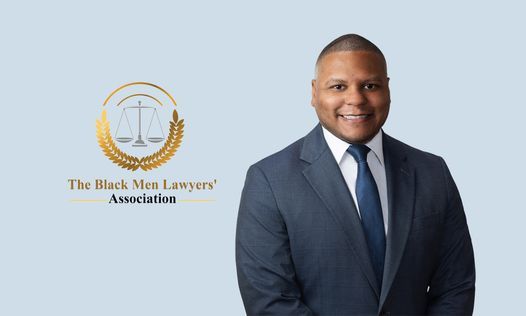
Calvin Edwards Honored With 2026 Rising Star Award by the Black Men Lawyers’ Association

Webinar
Jun 9, 2026
John DeLascio Speaks on How Social Inflation is Reshaping Insurance Risk


Insights for Employers Alert
Jun 9, 2026
A Win for Employers: Federal District Court Finds $100,000 H-1B Visa Petition Fee is Unlawful
Press Release
Jun 9, 2026
Calvin Edwards Honored With 2026 Rising Star Award by the Black Men Lawyers’ Association
Webinar
Jun 9, 2026
John DeLascio Speaks on How Social Inflation is Reshaping Insurance Risk

Consumer Crossroads: Where Financial Services and Litigation Intersect
Jun 8, 2026
Court Distinguishes Between Clickwrap and Browsewrap Arbitration Agreements

Webinar
Jun 8, 2026
Aimee Delaney and Jason Oliveri Speak on Workplace Generative AI Usage

Insights for Insurers Alert
Jun 8, 2026
New York’s Sweeping Motor Vehicle Tort Law Reforms: More Than Meets the Eye

Privacy, Cyber & AI Decoded Alert
Jun 5, 2026
AI Governance Expectations on the Rise for Insurers Amid New Regulatory Activity

Press Release
Jun 4, 2026
Hinshaw Recognized Nationally in 2026 Chambers USA Directory
Press Release
Jun 3, 2026
In The News
Jun 3, 2026
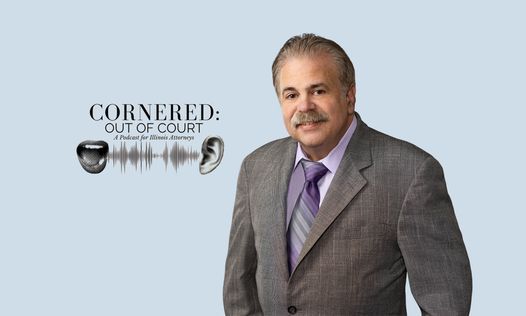
Scott Seaman Discusses Wrongful-Death and Survival Actions Handbook on IICLE Podcast

