
Lawyers May Influence Their Clients’ Communications With Represented Parties
Lawyers for the Profession® Alert
Lawyers for the Profession® Alert | 2 min read
Oct 13, 2011
ABA Standing Committee on Ethics and Professional Responsibility, Formal Opinion No. 11-461 (2011)
Brief Summary
The American Bar Association (ABA) Standing Committee on Ethics and Professional Responsibility has concluded that lawyers may give substantial assistance to their clients regarding their clients’ communications with represented parties, regardless of who conceives of the idea of communicating with the represented party. Such advice must not, however, result in overreaching.
Complete Summary
The Standing Committee clarified the extent to which a lawyer may advise a client regarding the client’s communications with a represented party. The starting point for the Standing Committee’s analysis was ABA Model Rules of Professional Responsibility 4.2 and 8.4(a), which generally prevent an attorney from communicating with a represented party either directly or through an agent. The Standing Committee also discussed when and under what circumstances a lawyer may suggest that his or her client communicate directly with a represented party, and noted that such a principle is not uniformly accepted. Here, the Standing Committee went a step further and addressed the scope of assistance and advice an attorney may give to the client regarding the communication.
The Standing Committee opined that lawyers may give substantial advice to their clients regarding substantive communications with opposing parties. However, such advice must not result in overreaching by, for example: securing an enforceable obligation, obtaining confidential information, or obtaining an admission against interest from the opposing party. Finally, the Standing Committee noted that its opinion did not address situations in which attorneys advise clients regarding the use of an investigator or agent to gather information from a represented person.
Significance of Opinion
This formal opinion attempts to clarify the extent to which lawyers may influence their clients’ communications with represented parties. Although this opinion allows attorneys a substantial amount of influence over such communications, there is still authority in many states indicating that lawyers are more restricted than this formal opinion would suggest.
For more information, please contact your regular Hinshaw attorney.
This alert has been prepared by Hinshaw & Culbertson LLP to provide information on recent legal developments of interest to our readers. It is not intended to provide legal advice for a specific situation or to create an attorney-client relationship.
Related Capabilities
Featured Insights

Insights for Employers Alert
Jun 9, 2026
A Win for Employers: Federal District Court Finds $100,000 H-1B Visa Petition Fee is Unlawful
Press Release
Jun 9, 2026
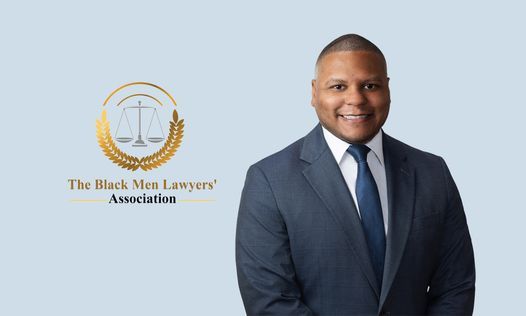
Calvin Edwards Honored With 2026 Rising Star Award by the Black Men Lawyers’ Association
Webinar
Jun 9, 2026
John DeLascio Speaks on How Social Inflation is Reshaping Insurance Risk

Insights for Employers Alert
Jun 9, 2026
A Win for Employers: Federal District Court Finds $100,000 H-1B Visa Petition Fee is Unlawful
Press Release
Jun 9, 2026
Calvin Edwards Honored With 2026 Rising Star Award by the Black Men Lawyers’ Association
Webinar
Jun 9, 2026
John DeLascio Speaks on How Social Inflation is Reshaping Insurance Risk
Consumer Crossroads: Where Financial Services and Litigation Intersect
Jun 8, 2026
Court Distinguishes Between Clickwrap and Browsewrap Arbitration Agreements

Webinar
Jun 8, 2026
Aimee Delaney and Jason Oliveri Speak on Workplace Generative AI Usage

Insights for Insurers Alert
Jun 8, 2026
New York’s Sweeping Motor Vehicle Tort Law Reforms: More Than Meets the Eye

Privacy, Cyber & AI Decoded Alert
Jun 5, 2026
AI Governance Expectations on the Rise for Insurers Amid New Regulatory Activity

Press Release
Jun 4, 2026
Hinshaw Recognized Nationally in 2026 Chambers USA Directory
Press Release
Jun 3, 2026
In The News
Jun 3, 2026
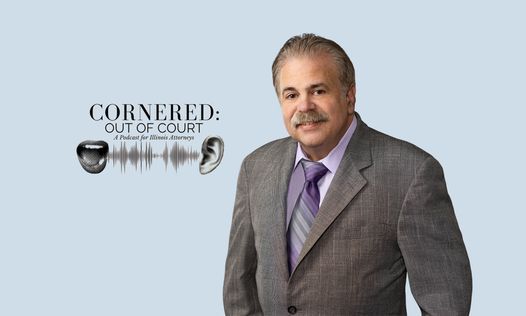
Scott Seaman Discusses Wrongful-Death and Survival Actions Handbook on IICLE Podcast

